Archive for June, 2011

June 24, 2011

Authenticity

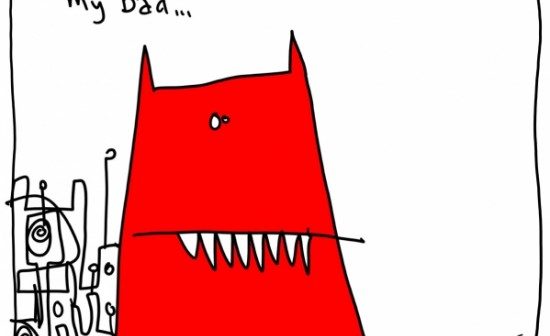
gapingvoid business-focused greeting cards…?

Me and my part­ners, Laura and Jason, have been toying with the idea of “Busi­ness Gree­ting Cards”.

Gree­ting cards to send peo­ple in a busi­ness situa­tion. The­mes revol­ving around busi­ness situa­tions, as oppo­sed to birth­days and the other, nor­mal rites of passage.

“My Bad” is one of our first ideas to send someone when you make a mis­take. We all get it wrong, sometimes.

As the lines that sepa­rate “work and life” get more blurry, pro­ducts that can live in this new blurry space will get ever more valua­ble to us all.

Any­way, it’s just an idea in its infancy. Let us know what you think. Thanks!

[NB: This was first published in the news­let­ter yes­ter­day etc.]

When you are making art

June 23, 2011

We all hang out at Starbucks

Two new cartoons

Stress is the price you pay

I drew this while listening to Beethoven.

It’s hard to run the world

People are annoying.
June 20, 2011

How To Really Use The Internet

I remem­ber my first really big Inter­net “A-Ha!” moment like it was yesterday.

It was about a decade ago, just after the Dot­Com crash, around the same time I first heard about blogging.

I had just heard from somewhere that Salon.com, one of the first big-time maga­zi­nes to launch exc­lu­si­vely online (that was still a big deal in those days) had blown through $60 million set­ting itself up, before the crash. Was it ever expec­ted to make back its inves­tors’ money? Of course not.

Sixty. Million.

Then I heard from somewhere that Arts & Let­ters Daily, a blog that appea­led to the same kind of rea­der as Salon, had been set up for a cou­ple of grand; I think $10K was the number.

Peo­ple would tell me at the time that yeah, of course Salon was more expen­sive. It had an office in San Fran­cisco and a big staff of pro­per jour­na­lists. It had all the overhead of con­ven­tio­nal maga­zi­nes, minus the paper and prin­ting press. A&L Daily was just an aggre­ga­tor blog that poin­ted to inte­res­ting bits and pie­ces across the web.

Yes, that was true, but as a ran­dom, semi-educated dude loo­king for a place that offe­red me something inte­res­ting to read on a regu­lar basis, I pre­fe­rred A&L Daily to Salon.

As far as I could see, A&L Daily was not only a bet­ter pro­duct, it was offe­ring its bet­ter pro­duct for ONE SIX-THOUSANDTH the cost of Salon. For 0.0166% the overheads.

The idea that media could now be viably made for not just pen­nies on the dollar, but MICRO-PENNIES, hit me like train. BAM!

So I star­ted blog­ging. The rest is history.

Ten years later, my only dis­con­nect would be, with this ama­zing oppor­tu­nity that hyper-cheap media offers us, why are so many of us squan­de­ring it?

While others Twit­ter or Face­book or Fours­quare for hours on end about what hips­ter food truck they’ve just been to or what dumb TV show they just watched, my young car­too­nist friend, Aus­tin Kleon is using social media to trans­form his life and career (and the lives and careers of others).

This is a totally dif­fe­rent lea­gue of Inter­net use I’m tal­king about. And Aus­tin is just one exam­ple. So am I. So is John T Unger or Willo O’Brien of Willo­toons fame. I could give hun­dreds of others.

The Inter­net has given you a HUGE, life-changing oppor­tu­nity that simply didn’t exist a gene­ra­tion ago. Don’t waste it. A life just sur­fing the net for hipster-friendly dum­bass stuff is no less a waste of a life than sit­ting in front of the television.

The way to use the Inter­net is to be more like Aus­tin or Willo or John. Use it seriously.

June 18, 2011

Why Presentation Matters


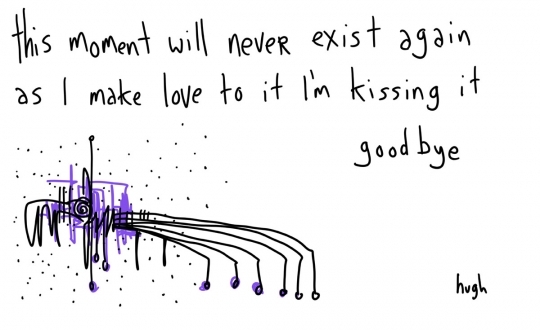
[“This Moment”. You can buy the print here etc.]

Ear­lier today I was thin­king of cer­tain “thought lea­der” friends of mine, peo­ple that I know per­so­nally. Rocks­tars in their field.

Seth Godin, Guy Kawa­saki, Kathy Sie­rra, Gary Vee, Prof. Brian Cox, Joi Ito, Ben Ham­mers­ley, Doc Searls etc.

Loo­king for a com­mon thread, it sud­denly hit me– besi­des being hugely talen­ted in their field and the afo­re­men­tio­ned rocks­tar­dom, what else do they have in common?

Short ans­wer: Pre­sen­ta­tions. They’re all REALLY REALLY good at stan­ding in front of a crowd and wowing them. Every one of them. I’ve seen them. They knock your socks off. No won­der they get invi­ted to speak at TED, SXSW and other pla­ces. No won­der they’re able to com­mand the big bucks for doing so.

And then, when you look at the great world-changing figu­res in his­tory, you see the same. Mar­tin Luther King, Mal­colm X, Cicero, Wins­ton Churchill, or Shakespeare’s fic­tio­nal Henry V (“We band of brothers, we happy few” etc.)- it’s right there, front and cen­ter. The presentation.

And then if you read your ancient his­tory, what were the most pri­vi­le­ged peo­ple in Rome and Athens taught how to do as part of their clas­si­cal edu­ca­tion? That’s right. The art of Ora­tion. Again, pre­sen­ta­tion. This explains why get­ting on the deba­ting team at Oxford or Har­vard is still con­si­de­red a big deal for anyone in the know.

For any­body who ever aspi­res to lead.

So the ques­tion I’m asking is, if pre­sen­ta­tion is SUCH an obvious part of the magic lea­dership for­mula throughout the ages, and lea­dership is so inte­gral to suc­cess, why isn’t pre­sen­ta­tion bet­ter taught in schools nowa­days? Why aren’t third gra­ders taught how to use Power­point, as stan­dard? Why isn’t pre­sen­ta­tion empha­si­zed as highly as say, gram­mar or his­tory or math or athletics?

The rea­lity is, the ave­rage per­son doesn’t spend one-hundredth the time wor­king on their pre­sen­ta­tion skills, as they do on their hob­bies or watching TV or going to the gym or whatever.

I think that might be a mistake…

[AFTERTHOUGHT: Yes, I know. Pre­sen­ta­tion isn’t everything. Steve Jobs’s legen­dary key­no­tes wouldn’t be nearly so impres­sive if Apple pro­ducts suc­ked etc. But that’s not an excuse, either.]

new paintings…?

Unify Work and Love from Paul Barron on Vimeo.

A wee video I did for Paul Barron’s Peo­ple Report Sum­mer Camp and Digi­tal Brand Camp 2011.

Nothing too fancy (although I do think Paul did a good job with the edit), some foo­tage of me dra­wing my tra­de­mark business-card dood­les and, in the back­ground, some of my new pain­tings, inc­lu­ding two I did for Racks­pace.

The video riffs on the same theme I’ve been obses­sing about for two deca­des, the sub­ject of my second book, “Evil Plans” i.e. The Uni­fi­ca­tion of Work And Love. What that means, what that implies, what ACTUALLY has to hap­pen in order for it to mani­fest itself etc etc.

Yes, new paintings.

That’s all I’m willing to say about it for now… though feel free to drop me an email if you’re curious, Thanks.

June 16, 2011

Personal Drama


[This car­toon went out in today’s news­let­ter, with the follo­wing com­men­tary:PERSONAL DRAMA

Why are some peo­ple such drama queens?

Why do some peo­ple get so obses­sed with the little stuff, the gos­sip, who said what to who, who’s slee­ping with who, who’s no lon­ger slee­ping with who…?

The short ans­wer: Because it gives them something to do.

Life is short. You’d think we would have lear­ned by now, how to make bet­ter use of our VERY limi­ted time here on Earth.

Appa­rently not…

June 14, 2011

The Internet: Keep It New, Keep It Fresh.

The Inter­net chan­ged my life. Totally, utterly trans­for­med it. Of course it did. In a very short period of time. A cou­ple of years, tops.

And then there’s also my Internet-famous rocks­tar friends: Those who, simi­lar to myself, somehow mana­ged to create these inte­res­ting, web-enabled, pros­pe­rous, func­tio­ning little online micro-empires of their own. Inter­net mavens like Robert Sco­ble, Doc Searls, Mike Arring­ton, Seth Godin, Brian Clark, Sonia Simone, Loic Le Meur etc etc.

If you read gaping­void, chan­ces are you know what I’m tal­king about. You’re pro­bably one your­self, or if you’re not, you’re pro­bably aspi­ring to be more like that. At the very least, you’ll pro­bably have a few friends like that.

In other words, this “Internet-Transformed Life” is not something alien to you. You GET it. It’s around you all the time.

And heck, even of you’re not one of these so-called rocks­tar folk, your life has still been trans­for­med utterly, whether you’re aware of it or not. You may not be “Internet-famous”, but try ima­gi­ning your life without it. Try going a year without Face­book or Goo­gle or Twit­ter or even even email and Inter­net access. Ima­gine going without it while still hol­ding down your current job and get­ting your bills paid.

I’m gues­sing that would be difficult.

It cer­tainly would be impos­si­ble for me. I don’t even want to think about it.

Hey, guess what? This state of affairs is per­ma­nent. It’s never NOT going to be trans­for­ma­tive, it’s never NOT going to be chan­ging everything and utterly cen­tral to ful­fi­lling your needs. Cer­tainly not in our lifetimes.

The Inter­net is here to stay, and it’s cons­tantly re-inventing itself, and the world that surrounds it.

And yet we still take it for gran­ted, even after all it’s done for us. It’s only been avai­la­ble en masse for little over a decade and already it’s no big deal. Twit­ter and Face­book? Dude! That’s so 2007!

It’s a mis­take to think like that. So blog­ging is past-tense. Same with Face­book or Twit­ter. Who cares? The Inter­net is SO MUCH BIGGER and long-term than any of that. That’s like com­pa­ring a bottle of Perrier with the Paci­fic Ocean.

If the Inter­net doesn’t seem new and fresh to you, you’re doing something wrong, end of story. You are basi­cally extinct, end of story.

That’s my advice to any adult, regard­less of age, class, race, natio­na­lity or gender.

Keep it new. Keep it fresh. By any means necessary.

There, I’ve said my piece. Thanks for listening.

[PS: This blog post is dedi­ca­ted to my old friend, the won­der­ful Doc Searls, legen­dary co-author of The Clue­train, the first per­son to REALLY open my eyes to all this. Thanks, Doc!]

When You Create [for Lisa Oz]

Today’s news­let­ter car­toon was ins­pi­red by Lisa Oz, wife of Doc­tor Oz, inter­vie­wing me for Oprah Radio last week, while I was in New York City.

It was a good inter­view. Lisa is a lovely woman who asked VERY smart ques­tions about Crea­ti­vity. She also plug­ged both my books, which was quite nice for me. Heh.

And I did my best to ans­wer her ques­tions. As I get older I’m less squea­mish about tal­king about crea­ti­vity in spi­ri­tual terms, rather than just “Because it’s cool and sexy” terms.

And whether you believe in God or Buddha or Allah or something else enti­rely, this creativity/spirituality is something you should not be afraid of explo­ring at some point. Life is short and you’re going to be dead one day; that’s all the moti­va­tion you need.

So I desig­ned Lisa this car­toon to go on her busi­ness card. Like I said, I enjo­yed the interview.

Any­way, I’m happy to report that the inter­view is broad­cas­ting tomo­rrow, (Wed­nes­day) at noon New York time [EST] on XM 111 and Sirius 204. It’s about 20 minu­tes long, so if you have sate­llite radio, I hope you’ll give it a listen.

Thanks, and Godspeed!

[Subsc­ribe to the news­let­ter here etc.]

To my jaded veteran blogger friends: Get over yourselves.

Peo­ple think that blog­ging has chan­ged a lot in the last few years, far from the heady early blog­ging days of 2000 – 2005 etc etc.

Hmmm. Maybe. Cer­tainly having things like Twit­ter and Face­book make it easier for peo­ple to nat­ter to each other without having to write con­ti­nual blog posts first… the lat­ter is cer­tainly time con­su­ming, and peo­ple are already way too busy.

Actually, the busi­ness model for gaping­void hasn’t chan­ged very much over time. I can only handle so many pro­jects at one time– a dozen at the most. So as a way of gene­ra­ting busi­ness, I only need enough rea­ders to attract one new pos­si­ble colla­bo­ra­tor every so often.

Which works out to be how much? Maybe one out of ten thou­sand rea­ders. Or something.

Wha­te­ver the final num­bers might be, com­pa­red to the ad-driven blogs like Gaw­ker or Techc­runch, they’re rela­ti­vely small ones. And Thank God for that, “Audience” is a bitch.

And then there is the fun of dra­wing and pos­ting car­toons on the blog. In busi­ness terms, that really can’t be mea­su­red. All that can do is create good karma. But I enjoy it immen­sely so what the hell… same is true for the daily news­let­ter car­toons.

I keep hea­ring the same com­plaint a lot these days. That blog­ging isn’t as much fun or as inte­res­ting as it used to be. It used to be sub­ver­sive. It used to be cut­ting edge. Now it’s mains­tream and boring. That kinda thing.

To my jaded vete­ran blog­ger friends: Get over your­sel­ves. Blog­ging hasn’t chan­ged, you have. What’s hap­pe­ning on the Inter­net isn’t impor­tant; What’s impor­tant is that the world knows how you intend to change it. Right here. Right now.

Same as it ever was…

June 13, 2011

A brand’s first job is to be interesting. Aligned brands are far more interesting than brands that just want somebody else’s money.

Here are some pic­tu­res Rob La Gesse sent me- peo­ple at Racks­pace who down­loa­ded my car­toons off the web, prin­ted them out and hung them on their walls.

“Crap jobs are crea­ted by other peo­ple, dream jobs you make your­self” and “Life is short, Make it amazing”.

No “Rea­son Why” to buy the Racks­pace pro­duct. No top-down mis­sion statement.

Nope. Ins­tead I tried to talk about stuff that ACTUALLY MATTER to peo­ple inside and outside the company.

Like I said in my last post, ALIGNMENT is where the action is.

“A brand’s first job is to be inte­res­ting”. Alig­ned brands are far more inte­res­ting than brands that just want some­body else’s money.

Just because you work for a big com­pany doesn’t mean you don’t have to think about REAL human values. In fact, it’s more impor­tant than ever.

Think about it.

[More Racks­pace car­toons here.] [More cor­po­rate car­toon com­mis­sions here.]

Decide.

The real trouble begins

The Porous Membrane: Why Corporate Blogging Works.

[First published in 2005. I thought it could use another airing etc.]

The other day some­body asked me to explain why cor­po­rate blog­ging works. Sure, we know it’s the hot new thing and peo­ple are paying atten­tion to it (inc­lu­ding big media)…but why? Why does it work? Seriously.So I drew the dia­gram above.

1. In Clue­train par­lance, we say “mar­kets are con­ver­sa­tions”. So the dia­gram above repre­sents your mar­ket, or “The Con­ver­sa­tion”. That is demar­ka­ted by the outer circle “y”.

2. There is a sma­ller, inner circle “x”.

3. So the entire mar­ket, the “con­ver­sa­tion” is sepe­ra­ted into two dis­tinct parts, the inner area “A” and the outer area “B”.

4. Area “A” repre­sents your com­pany, the peo­ple suppl­ying the mar­ket. We call that “The Inter­nal Conversation”.

5. Area “B” repre­sents the peo­ple in the mar­ket who are not making, but buying. Other­wise know as the cus­to­mers. We call that “The Exter­nal Conversation”.

6. So each mar­ket from a cor­po­rate point of view has an inter­nal and exter­nal con­ver­sa­tion. What sepe­ra­tes the two is a mem­brane, other­wise known as “x”.

7. Every company’s mem­brane is dif­fe­rent, and con­tro­lled by a host of dif­fe­rent tech­ni­cal and cul­tu­ral factors.

8. Ideally, you want A and B to be iden­ti­cal as pos­si­ble, or at least, in sync. The things that A is pas­sio­nate about, B should also be pas­sio­nate about. This we call “align­ment”. A good exam­ple would be Apple. The peo­ple at Apple think the iPod is cool, and so do their cus­to­mers. They are aligned.

9. When A and B are no lon­ger alig­ned is when the com­pany starts get­ting into trou­ble. When A starts saying their gizmo is great and B is telling every­body it sucks, then you have serious misalignment.

10. So how do you keep misa­lign­ment from happening?

11. The ans­wer lies in “x”, the mem­brane that sepe­ra­tes A from B. The more porous the mem­brane, the easier it is for con­ver­sa­tions bet­ween A and B, the inter­nal and exter­nal, to hap­pen. The easier for the con­ver­sa­tions on both side of mem­brane “x” to adjust to the other, to become like the other.

12. And nothing, and I do mean nothing, pokes holes in the mem­brane bet­ter than blogs. You want porous? You got porous. Blogs punch holes in mem­bra­nes like like it was Swiss cheese.

13. The more porous your mem­brane (“x”), the easier it is for the inter­nal con­ver­sa­tion to inform and align with the exter­nal con­ver­sa­tion, and vice versa.

14. Not to men­tion it makes misa­lign­ment, if it hap­pens, a lot easier to repair.

15. Of course this begs the ques­tion, why have a mem­brane “x” at all? Why bother with such a hie­rarchy? But that’s another story.

N.B. And yes, this works with inter­nal blogs as well, poking holes in the mem­bra­nes that sepe­rate peo­ple within a cor­po­rate cul­ture; alig­ning “the con­ver­sa­tion” inter­nally etc.The other advan­tage of inter­nal blog­ging is that it orga­ni­ses con­ver­sa­tion into a long-term mana­gea­ble form. Two peo­ple sha­ring ideas via blogs is a lot more per­ma­nent, viral and use­ful for the com­pany than two peo­ple sha­ring the same infor­ma­tion over by the watercooler.

Poking holes in mem­bra­nes sub­verts hie­rarchies. Avast, ye scur­vies etc.

[AFTERTHOUGHTS, JUNE, 2011:]

1. It’s six years later, so when I say “blog­ging”, feel free to add other forms of social media to the mix– Twit­ter, Face­book, Fours­quare etc…

2. The big play in cor­po­rate blog­ging is not eye­balls, it’s ALIGNMENT and CULTURE. Align­ment pre­ce­des eye­balls, not the other way around. Medi­tate on this.

3. A cor­po­rate blog needs two things: i. It needs to be writ­ten by some­body who ACTUALLY knows how to write and ii. is not afraid of get­ting fired. Good luck fin­ding that per­son etc.

4. Read this exce­llent post by Sarah Dopp, “Can I have a wit­ness?”, where she kinda asks her­self the age-old ques­tion, what is blog­ging ACTUALLY for? Something that needs to keep on being asked, and asked again. Espe­cially now, with the  tedious “Game-ification of Everything” trend that is currently sprea­ding everywhere Zzzzzzzzzz…

June 9, 2011

What is more interesting?

June 8, 2011

I don’t make art


Taken at MIA Gate D47

June 7, 2011

Pixie Dust & The Mountain of Mediocrity


[NB: Today’s guest post is by the world’s most famous ex-blogger, the great Kathy Sie­rra.]

We’re always searching for that sec­ret for­mula, that magic pixie dust to sprin­kle over our pro­ducts, ser­vi­ces, books, cau­ses, brands, blogs to bring them to life and make them Super Suc­cess­ful. Most marketing-related buzz­words gain trac­tion by pro­mi­sing pixie dust results if applied to wha­te­ver it is we make, do, sell. “Add more Social!”. “Just need a Viral Video!” “It’s about the Story­te­lling!”. “Be Authentic!”

The rise of social net­wor­king and media ope­ned up a world of new pos­si­bi­li­ties, yet most Mar­ke­ting 2.0 is basically:

“If you can­not out-spend the com­pe­ti­tion, you can out-friend them!” He who has the most Face­book fans, Twit­ter follo­wers, and blog com­men­ters Wins! It’s all about Social Capi­tal now!

Sure, you can try that. You can work your ass off to be, as one mar­ke­ter put it, “the per­son your cus­to­mers want to party with.”

I never unders­tood how any of this made sense, given that very little of what I see “brands” (or their human spo­kest­wee­ters) do on social media is chan­ging the fun­da­men­tal nature of how users inte­ract with their pro­ducts. “But that is not the point! It is about being human!”. Nope, I still don’t get it. Why would anyone want to com­pete on *that*? It felt fra­gile to be in essen­tially a mar­ke­ting arms-race of who-is-the-most-engaging-social-media rock star. What does that really have to do with what users do with the product?

And I saw exam­ples over and over of social media rock stars with tons of follo­wers, yet they were not able to con­vert those follo­wers into Actual Paying Cus­to­mers unless the pro­duct was what peo­ple really wan­ted. Being super-friendly, “liked”, etc. has limits when it comes to *paying*. I will follow your blog, but no mat­ter how awe­some I think YOU are, I won’t be paying for your book unless I think it’ll make ME a little more awesome.

So, why are peo­ple still so con­vin­ced that social media and all rela­ted buzz­words are The Ans­wer? It has always appea­red that if the pro­duct is truly crap, “your social media stra­tegy won’t save you.” Even the social media gurus agree on that one. But it seems the oppo­site end is true as well… If the pro­duct makes the users awe­some (at wha­te­ver the pro­duct is hel­ping them do), no spe­cial sec­ret magic pixie dust sauce is nee­ded either.

Oh, social media does play a mas­sive role in the suc­cess of a pro­duct that peo­ple love, but it is not the product-to-users “enga­ge­ment” that mat­ters, it is users-to-users (and users-to-potential-users). If peo­ple love what a pro­duct, book, ser­vice let’s them *do*, they will not shut up about it. The ans­wer has always been there: to make the pro­duct, book, ser­vice that ena­bles, empo­wers, MAKES USERS AWESOME. The rest nearly always takes care of itself.

Which brings me back to, why are so many so con­vin­ced that [insert favo­rite buzz­word] is the ans­wer vs. just making a pro­duct that helps peo­ple kick ass in a way they find meaningful?

And then someone I trust said this: these [insert favo­rite new buzz­word] approaches are not about saving a crap pro­duct or mar­ke­ting an awe­some one… where these tools really DO make a dif­fe­rence for a brand is when the brand has little or no other com­pe­lling bene­fit over the com­pe­ti­tion. If the pro­duct is mediocre, or even really good but with too many equally good com­pe­ti­tors, these things can make a dif­fe­rence. If you have little else to com­pete on, then out-friending/out-viraling/out-gamifying can work.

At least until your com­pe­ti­tion out-hires a good social media stra­te­gist or com­pe­lling extro­ver­ted social media star and out-friends you.

You do not want to be That Brand. You do not want to be That Pro­duct. That Book. That Con­sul­tant. You do not want to be in that arms race because it is an exhaus­ting and fra­gile place to be. You want to use social media not because you *must* but because you can add even more value for your users by doing so. You do not want to be the guy that must ask cons­tantly, “how can I get more com­ments on my blog? how can I get more follo­wers and fans?”

The real pixie dust is when you ask your­self, “how can I help my users get more com­ments on THEIR blog?”. You want to be the guy who asks, “How can I help my users get more follo­wers and fans?” And that is why I have always been such a fan of Hugh and Gary V and Tim Ferris, for exam­ple. Not for the com­ments their follo­wers make about Hugh, Gary, and Tim… But for the com­ments their follo­wers make about them­sel­ves. In a nutshell: Hugh, Gary, and Tim might well be the peo­ple you want at a din­ner party, but what mat­ters is that they help peo­ple become more inte­res­ting at their OWN next din­ner party.

What promp­ted me to write this is the latest magic pixie dust buzz­word, one that I am pas­sio­na­tely against: gami­fi­ca­tion. Appl­ying prin­ci­ples of game design to non-game acti­vi­ties can be done care­fully, art­fully, and with won­der­ful results. We use prin­ci­ples of game design in our pro­gram­ming books, for exam­ple, and you may have heard me at SXSW talk about using aspects of game mecha­nics to help create pas­sio­nate users. But the current crop of “gami­fi­ca­tion” experts are doing nothing more than “pointsification/badgification”, taking the most super­fi­cial, sur­face mecha­nics of games and appl­ying them out of con­text to areas where they are, as I have refe­rred to it, “the high fruc­tose corn syrup of enga­ge­ment.” Once the sugar-rush novelty has worn off, there will be a subs­tan­tial crash from the high. And it may be one from a which a brand can­not recover.

Don’t be that brand.

Don’t be that product.

Don’t be that book.

Be the one peo­ple talk about NOT because of your latest gami­fi­ca­tion and WOM cam­paign, but because it is obvious to your users and those they influence that your brand, pro­duct, book has made them bet­ter at something. Something they care about. Don’t be the slot machine of your industry. Give peo­ple an expe­rience that lea­ves them fee­ling a little bet­ter about their own capa­bi­li­ties, not bet­ter about the faux-status awards they know, in their heart, are not exam­ples of anything more awe­some than a marketer’s attempt to use them.

Just make peo­ple bet­ter at something they want to be bet­ter at. When your goals and your user’s goals are truly alig­ned, you don’t need pixie dust. Don’t out-spend, don’t out-friend, and please don’t out-badge. There is a world of dif­fe­rence bet­ween hel­ping someone *appear* more awe­some and hel­ping them actually BE more awesome.

–Kathy Sie­rra

June 6, 2011

Welcome to my empire…

June 3, 2011

Before I Die

Intensity

This moment was fleeting.

June 2, 2011

The Western Crisis

Fleeting Beauty

HATE is just a word

Haiku

I want every moment