Archive for September, 2010

September 30, 2010

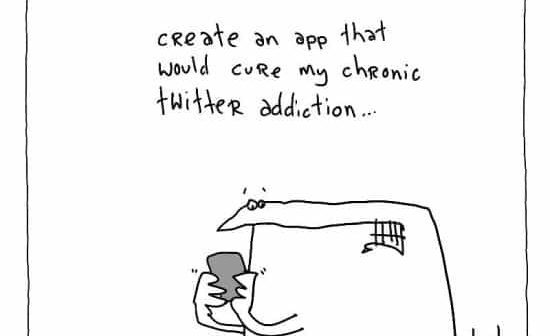
thingsiwishmyphonedid 04

[thingsiwishmyphonedid.com]

[#smar­ter­con­ver­sa­tions]

September 29, 2010

rackspace cube grenade 01

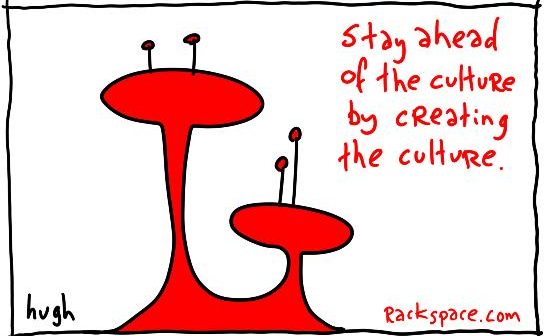
A cube gre­nade I drew for Rob La Gesse, Scoble’s boss over at Racks­pace. [UPDATE: Rob blogs about it here as well.]

[Feel free to down­load the high-res ver­sion here.]

Disc­lo­sure: I’m currently doing a wee bit of con­sul­ting work for Racks­pace. This car­toon was ins­pi­red after tal­king to La Gesse the other day. He tells me that with all their assets– and with over 3,000 emplo­yees, they have many– their cul­ture is the thing that they’re collec­ti­vely most proud of. Rock on.

[#Smar­ter­Con­ver­sa­tions]

#thingsiwishmyphonedid 02


[#Smar­ter­Con­ver­sa­tions]

do more

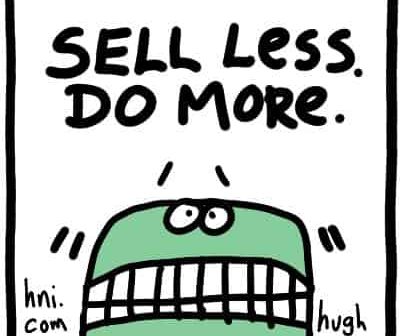
I just desig­ned this cube gre­nade for one of my clients, the insu­rance bro­ker HNI.

As always, it’s basi­cally something to be down­loa­ded [from here], prin­ted out and hung up round the office. A “con­ver­sa­tion star­ter” etc.

Most insu­rance com­pa­nies want to sell you a lot of insu­rance, the more the merrier. One part of HNI’s shtick is, well, “More” is not always the most help­ful thing for the client etc.

The guy in the car­toon looks so unhappy simply because the very thought of actually “Doing” something actually frigh­tens a lot of peo­ple. Which is why the world is filled with so many clock-watchers.

Though this was desig­ned for HNI, if the mes­sage has any value to your busi­ness, feel free to print it out as well, thanks.

September 28, 2010

how american family insurance, a $10 billion asset insurer is having a smarter conversation

[NB: This post was writ­ten by my busi­ness part­ner, Jason Kor­man. Expect to hear more of him round here in future etc. –Hugh]

Back in the Spring, we were approached by Troy Janisch, Digi­tal Mar­ke­ting Mana­ger at Ame­ri­can Family Insu­rance about crea­ting a Cube Gre­nade that encou­ra­ged their 8,000+ emplo­yees to par­ti­ci­pate in their social media program.

Troy said that they wan­ted their 3,800+ agents to build stron­ger ties with their com­mu­ni­ties and also engage other emplo­yees who the com­pany want to have a voice and share in the new vision for the business.

AmFam has a very par­ti­cu­lar mar­ket: Local com­mu­ni­ties in eigh­teen sta­tes in the West and Mid­west, selling home and life poli­cies to middle income fami­lies. For their local insu­rance agents, com­mu­nity is everything and the stron­ger their ties, the bet­ter their busi­ness– it’s that simple.

With this in mind, the goal was to have 50% of all agents online, using at least Face­book, but hope­fully some other tools by year’s end.

If you think about it, its hard to ima­gine a more ele­gant use of tools like Face­book for buil­ding business.

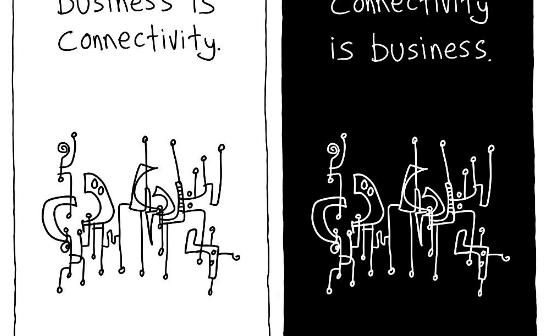
On our side, Hugh’s goal was to create a ‘con­ver­sa­tion star­ter’ – something that would, on the face of it, explain to the digi­tally uni­ni­tia­ted (a) why they should make deve­lo­ping online con­nec­tions, a top prio­rity, and b) remind the reps what buil­ding THEIR busi­ness is really all about. The solu­tion ulti­ma­tely was two dra­wings: “Busi­ness is Con­nec­ti­vity” above, and “We’re not in the insu­rance busi­ness, We’re in the Con­nec­tion Busi­ness”, below.

A few weeks ago, I chec­ked back in with Troy to see how things were going. For Troy, he wan­ted to nudge along a Smar­ter Con­ver­sa­tion on a num­ber of fronts and had a plan that not only called for the orga­nic spread of the Cube Gre­na­des through the busi­ness, but also, one that was an overt, front and cen­ter cha­llenge to the cul­ture of the busi­ness. As Troy said, his goal was to ‘Nudge the cul­ture For­ward’ i.e. “To Change the cul­ture from Sales Orien­ta­tion to one of Cus­to­mer Orientation,”

After com­mis­sio­ning the Cube Gre­nade, AmFam, put up an exhi­bit of about a dozen of Hugh’s more ins­pi­ring works. They inc­lu­ded: Into­xi­ca­ted, X,Y,Z and the clean ver­sion of “Qua­lity”. The exhi­bi­tion was put up in a “bold loca­tion” in their head­quar­ters in Madi­son, where it would be seen by all the emplo­yees over the period it was up.

While the spread of the Cube Gre­na­des is hap­pe­ning. Peo­ple are prin­ting them out, and put­ting them on their email sig­na­tu­res, the art exhi­bi­tion really got people’s atten­tion, and not in the way that was ori­gi­nally planned.

A lot of atten­tion was focu­sed on the “Qua­lity” image, one of Hugh’s most popu­lar car­toons, and one that was redrawn in a Safe for Work mode for soft­ware giant, SAP, ear­lier this year. It seems that in Madi­son, Wis­con­sin, “Fric­king”, is not yet quite Safe for Work, so it pro­vo­ked a lot of ‘dis­cus­sion’ about the appro­pria­te­ness of the piece. Howe­ver, this was the ope­ning that Troy wan­ted. He tur­ned the con­ver­sa­tion into what the idea of “Fric­kin’ Ama­zing” means to a com­pany like Ame­ri­can Family, and ulti­ma­tely, he had is objec­tive in the crosshairs: “Cus­to­mer Service”.

As Troy says “ Nobody starts the day thin­king that they will give bad cus­to­mer ser­vice, but it’s the cul­ture that makes the dif­fe­rence as to whether it gets deli­ve­red,” he con­ti­nued, “Ever­yone says that they have Cus­to­mer Ser­vice, and many do, but Cus­to­mer Ser­vice is not simply top down, it is how ever­yone actually acts, as oppo­sed to aspi­res to act.”

And the­rein lied the rub, and the notion of having a “Smar­ter Con­ver­sa­tion” inter­nally about Cus­to­mer Ser­vice, what’s wrong with it, and how to make it “Totally Fric­kin’ Ama­xing”, and more impor­tantly, how do you create a cul­ture that sup­ports peo­ple taking the risks neces­sary to deli­ver ‘Totally Fric­king Ama­zing Ser­vice”. Crea­ting that inter­nal dia­lo­gue is not something that hap­pens by itself, but if the goal is to nudge along the cul­ture of an 8,000 per­son busi­ness, dis­rup­tion is the order of the day.

We’ll be chec­king back in with Troy to see how things are pro­gres­sing. But as Troy says, “The Con­nec­ti­vity Cube Gre­nade is about remin­ding peo­ple at HQ that the busi­ness is out in small com­mu­ni­ties, which is the heart of their busi­ness’ and whether the folks are on the front line, or in the call cen­ter in Madi­son, every voice is part of the brand, and ever­yone makes a difference.”

September 25, 2010

things i wish my phone did dot com

Things I wish my phone did. Dot com. It’s a web­site we’re buil­ding for our client, Line2.

It should be up in a wee bit… we’re hoping to have a lot of fun with it– an “Idea Ampli­fier”, as it were.

Re. The car­toon above: No mat­ter how much you love your new state-of-the-art phone, it can’t love you back [For now, that is].

[Food for thought] From Seth Godin, May, 2007:

Now, of course, most blogs are one-person ope­ra­tions. Which means that suc­cess­ful blogs are often run by rest­less, outward-bound peo­ple in a hurry. And a lot of blog­gers either have day jobs or pas­sio­nate side­li­nes. I think that’s a good thing, even when they fail. It’s frus­tra­ting for me to hear, “stick to your blog­ging,” when peo­ple cri­ti­cize a pro­ject crea­ted by a blog­ger – because it’s part of the blog­ging, part of the lear­ning, part of what’s unfol­ding. I’d rather read a book that’s infor­med by the acti­vi­ties (not the repor­ting) of the wri­ter, and I’d rather read a blog that’s based on the suc­ces­ses (and fai­lu­res) of the blogger.

Which brings us to Hugh Mac­Leod and his work for Mic­ro­soft. Some cri­tics think he’s selling out. I don’t. I think he’s having a huge impact on an orga­ni­za­tion –from the outside– at the same time that he demons­tra­tes how just about any large orga­ni­za­tion can rethink its role in the world. And he’s doing it in front of all of us, without a net.

September 19, 2010

the idea amplifier

On Fri­day I was tal­king to Peter Sis­son, gapingvoid’s new client, the guy behind Tok­tumi and Line2.

We were tal­king about “The Cock­tail Party Rule”- what’s true at cock­tail par­ties is also true in mar­ke­ting i.e. If you want to be boring, talk about your­self. If you want to be inte­res­ting, talk about something else.

Luc­kily, Peter concurs…

The way I see it, a pro­duct is an “Idea Ampli­fier”. You have an idea about something– pho­nes or wha­te­ver– and you build a pro­duct as an expres­sion of that idea.

For exam­ple, Zap­pos’ cen­tral idea is not really about shoes per se, it’s about com­pany cul­ture and cus­to­mer ser­vice– “Deli­ve­ring Hap­pi­ness”, as its CEO, Tony Hsieh calls it.

Simi­larly, with Line2 the cen­tral idea is not about an iPhone app, it’s about, and I’m quo­ting Peter here, “What pho­nes could be”.

And what can a phone be? I’m curious to find out. I think we all are.

September 17, 2010

smarter conversations: psfk.com

I’m a huge fan of PSFK.com. I’ve been follo­wing Piers and his team for years. Recently I’ve even star­ted publishing weekly car­toons on PSFK, for no other rea­son than I think it’s a very groovy crowd to be part of.

PSFK is a well-known stra­tegy, trends and ideas blog, focu­sing mostly on adver­ti­sing and design. In the early days Piers mostly wrote it all him­self, but these days he has this vast army of volun­teers wri­ting guest posts on PSFK’s behalf.

The point of PSFK is to give its rea­ders a cons­tant stream of ins­pi­ra­tion and new ideas, stuff they can use to inform their own work.

And it works. Close to three quar­ters of a million peo­ple read it a month, mostly from the ad and design com­mu­nity. In that space, it’s extre­mely well known [For an industry niche blog, trust me, three quar­ters of a million peo­ple is A LOT].

So how does PSFK make money? Hint: It’s not by selling adver­ti­sing, like a lot of the big blogs out there.

The thing is, PSFK’s pri­mary busi­ness is not publishing blogs. Its main reve­nue stream is as con­sul­tants in the adver­ti­sing busi­ness. They’ve got a small hand­ful of clients and a small staff of super smart adver­ti­sing futu­rists, who get paid top dollar to share their brain power with large, glo­bal brands.

The blog is just a way to get the PSFK name out, to get their name on the radar screen of poten­tial clients.

Basi­cally, the PSFK blog is just an adver­ti­se­ment for the PSFK con­sul­tancy, even if on the blog there’s hardly any men­tion of the latter.

A “Smar­ter Con­ver­sa­tion”, a smar­ter way of tal­king to poten­tial clients, than say, just buying adver­ti­sing space in one of the big trade publications.

Would this kind of model work for your busi­ness? If not, wouldn’t it be great if it did? Just askin’…

[The “Smar­ter Con­ver­sa­tion” archive is here.]

to be “incredible beings” in the very early days of a revolution

[“Losing Our Touch”, the latest car­toon I did for PSFK.]

Like I said in my last post (and I am by no means the first per­son to say this), we are in the early days of the lar­gest com­mu­ni­ca­tion revo­lu­tion in the his­tory of the planet.

Which basi­cally means, it has never been easier to start a Smar­ter Con­ver­sa­tion.

Nor has it ever been more essen­tial.

And like I also said more than once, we’re inc­re­di­ble beings.

To be “inc­re­di­ble beings” in the very early days of this revo­lu­tion, to not want to do something about it, to not want to go out there and take full advan­tage of the situation…

I just don’t get why some peo­ple would pre­fer to pass the oppor­tu­nity up. You?

[The Smar­ter Con­ver­sa­tion archive is here…]

new gapingvoid client: line2 voip

gaping­void has lan­ded itself a new client. Line2, the new VoIP app from Tok­tumi. Hurrah!

To find out more about them, Techc­runch wrote a really good piece about them last year.

“The Apple/Google Voice fiasco just got more inte­res­ting. Tok­tumi, a star­tup that lets small busi­nes­ses build office-caliber phone sys­tems with their mobile pho­nes and com­pu­ters, just had its appli­ca­tion Line2 appro­ved by Apple —  nearly three months after it was ori­gi­nally sub­mit­ted. The power­ful ser­vice allows busi­ness emplo­yees to assign two phone num­bers to their iPhone: one that they can give to family and friends, and another that can be given to busi­ness con­tacts, with fea­tu­res that allow for call fil­te­ring and a professional-grade voi­ce­mail sys­tem. But it’s also nota­ble for its many simi­la­ri­ties to Goo­gle Voice, an appli­ca­tion that Apple has kept out of the App Store for months now.

“The story so far: late last July, Apple abruptly pulled all third party Goo­gle Voice appli­ca­tions from the App Store, explai­ning that they somehow were dupli­ca­ting the iPhone’s native func­tio­na­lity. Later that day, we broke the news that Google’s offi­cial Goo­gle Voice client had been barred from the App Store, spar­king a media storm and a FCC inquiry into Apple’s ratio­nale for the ban.”

It’s basi­cally a second line for your phone– your iPhone, in particular.

I’ve never been much of a VoIP geek, so why did I get involved?

It was a sim­ple little fac­toid that got my interest:

The Line2 ser­vice costs $14.95 per month. Not a huge amount, but costly enough when you con­si­der that Goo­gle Voice is free. Line2 has a first month trial offer, which allows you to try it out for free. After that, they start char­ging. Fair enough.

So how many peo­ple start sig­ning on at $14.95, once their free trial expi­res? Five per­cent? Ten per­cent? That’s what I was guessing…

Nope. Thirty percent.

Thirty per­cent! I thought that was huge. They must be doing something right etc.

The second rea­son is purely inte­llec­tual. As many blog­gers have been spou­ting on for a while now (inc­lu­ding me), we are in the early days of the lar­gest com­mu­ni­ca­tion revo­lu­tion in the his­tory of the pla­net. VOIP is in the fore­front of this revo­lu­tion, so get­ting invol­ved should give me a front row seat. And we car­too­nists need inte­res­ting stuff to keep our brains occu­pied etc.

I have no idea where this is going; I’m just along for the ride. Hope­fully a Smar­ter Con­ver­sa­tion will come out of it in the end. Watch this space. Rock on.


[Bonus link: Last March, Masha­ble did a good piece on Line2 as well, inc­lu­ding the video inter­view above.]

hni & ‘change the game’

Late last year, Mike Nata­li­zio, Pre­si­dent & CEO of HNI (a medium sized insu­rance bro­ke­rage out of the Mid­west) com­mis­sio­ned me to draw some “Cube Gre­nade” car­toons for the company.

It was a nice wee car­toon pro­ject; it went well.

We kept on tal­king, after that… we’ve been hel­ping them with what a Smar­ter Con­ver­sa­tion might mean for their business.

HNI’s cor­po­rate tagline is “Change The Game”.

The insu­rance busi­ness is gene­rally known as a fairly staid affair– it’s rela­ti­vely con­ser­va­tive game– no sur­pri­ses there.

“Change The Game”. I like the pre­mise, it gets me thinking:

  • What part of the game does it want to change?
  • What can it actually change?
  • What needs to be chan­ged, anyway?

And at what cost, per­so­nal or otherwise?

What needs to happen?

Let’s find out…

September 10, 2010

i’m not publishing new cartoons on the blog any more

[“Par­don Me”, which I sent out on the news­let­ter last Spring. You can buy the print here etc.]

In case you don’t know this already, I’m not publishing new car­toons on the blog any more, except maybe occa­sio­nally. Yep, to see the new ones, you have to subsc­ribe to the news­let­ter. That’s been true for a while now…

Loo­king for­ward to seeing you there. Thanks!

[NB– I’m lea­ving this post at the top of the home­page for a while, to give the news time to sink in. New con­tent is below, Thanks Again!]

September 3, 2010

smarter conversations: “how do i want to change the way i talk to people?”

[The “Life Is Too Short” print…]

I first star­ted pla­ying with the idea of “Smarter-Conversations” way back in 2004, the same year gaping­void really star­ted get­ting trac­tion in the blogopsphere.

Though not something I talk about day-in-day-out, it’s always been there somewhere in the back­ground, infor­ming everything I work on. Here are some notes:

1. In the semi­nal book, “The Clue­train Mani­festo”, the great Doc Searls famously dec­la­red, “Mar­kets are con­ver­sa­tions”. If you buy that pre­mise (and I do, who­lehear­tedly), then quod erat demons­tra­tum, if you want your mar­ke­ting to be smar­ter (i.e. more effec­tive), you need to be having a “Smar­ter Conversation”.

2. “Con­ver­sa­tion” is a metaphor. Making your pro­duct sleek, ele­gant and gra­ce­ful while all your other com­pe­ti­tors make their pro­duct look cheap, plas­tic and clunky is a smar­ter con­ver­sa­tion. Not all con­ver­sa­tions need words.

3. It’s not just what you say, its how you say it. Calling it the “iPod” is a smar­ter con­ver­sa­tion than say, the “MZT-2300-B Elec­tro­nic Por­ta­ble MP3 Digi­tal Hand Device”.

4. Smar­ter Con­ver­sa­tions scale. That’s what I really like about it. Anyone can have a smar­ter con­ver­sa­tion– from a mom n’ pop pizza joint to a For­tune 500 com­pany. It can hap­pen in a Super­bowl ad or on prin­ted on the back of a paper nap­kin. You can start one on a blog today, for free. Or on Twit­ter or Face­book. The tools don’t neces­sa­rily have to change, the way you talk to peo­ple has to change.

5. Deci­ding to have a smar­ter con­ver­sa­tion isn’t a busi­ness deci­sion, it’s a moral deci­sion. Like I said in the last point, the barriers to entry are zero. While your com­pe­ti­tion treats their cus­to­mers like idiots, you treat your cus­to­mers like inte­lli­gent human beings. You don’t do that because your accoun­tant told you to, you do that because that’s who you are.

6. The Smar­ter Conversation’s value comes from, I believe, not by yet more inc­rea­sed busi­ness effi­cien­cies, but by its huma­nity. For exam­ple, take two well-known air­li­nes. They both per­form a use­ful ser­vice. They both deli­ver value. They both cost about the same to fly to New York or Hong Kong. Both have nice Boeings and Air­bu­ses. Both serve pea­nuts and drinks. Both serve “air­line food”. Both use the same air­ports. But one air­line has friendly peo­ple wor­king for them, the other air­line has surly peo­ple wor­king for them. One air­line has a sense of fun and adven­ture about it, one has a tired, jaded business-commuter vibe about it. Guess which one takes the human dimen­sion of their busi­ness more seriously than the other? Guess which one still will be around in twenty years? Guess which one will lose billions of dollars worth of sha­rehol­der value over the next twenty years? What para­llels do you see in your own industry? In your own company?

7. If Smar­ter Con­ver­sa­tions work, it’s because they help huma­nize the com­pany. I wrote about this years ago in an article I called “The Porous Mem­brane”. To paraph­rase: Ideally, you want the con­ver­sa­tion bet­ween cus­to­mers [the exter­nal mar­ket] to be as iden­ti­cal as the con­ver­sa­tion bet­ween your­sel­ves [the inter­nal mar­ket]. The things that your cus­to­mer is pas­sio­nate about, you should also be pas­sio­nate about. This we call “align­ment”. A good exam­ple would be Apple. The peo­ple at Apple think the iPod is cool, and so do their cus­to­mers. They are alig­ned. When you are no lon­ger alig­ned with your cus­to­mers is when the com­pany starts get­ting into trou­ble. When you start saying your gizmo is great and your cus­to­mers are telling every­body it sucks, then you have serious misa­lign­ment. So how do you keep misa­lign­ment from hap­pe­ning? The ans­wer lies the cul­tu­ral mem­brane that sepa­ra­tes you from them. The more porous the mem­brane, the easier it is for con­ver­sa­tions bet­ween you and them, the inter­nal and exter­nal, to hap­pen. The easier for the con­ver­sa­tions on both sides to adjust to the other, to become like the other. And nothing pokes holes in the mem­brane bet­ter than blog­ging.

8. Social Media is not about reaching a mass audience. Social Media is not about crea­ting yet another sales chan­nel. Social Media is about allo­wing the Smar­ter Con­ver­sa­tion to hap­pen. That’s all. Why do some com­pa­nies lose, while other com­pa­nies win? Because the lat­ter has a smar­ter “con­ver­sa­tion” with its cus­to­mers. Zap­pos had a smar­ter con­ver­sa­tion about the power of cus­to­mer ser­vice and the power of com­pany cul­ture. Peet’s Cof­fee came along 20 years ago and began a smar­ter con­ver­sa­tion about cof­fee with millions of peo­ple within a very short space of time. Target’s recent mas­sive suc­cess star­ted from a smar­ter con­ver­sa­tion about good design. Savile Row tai­lor, Tho­mas Mahon came along and, with his blog, had a smar­ter con­ver­sa­tion about $4000 English bes­poke suits. Lucky’s Juice Joint had a smar­ter con­ver­sa­tion about fresh-squeezed. Big com­pa­nies, medium com­pa­nies and tiny com­pa­nies, wha­te­ver– it was never about size, it was never about the choice of media (social or other­wise), it was all about lan­guage. 

9. Social Media allows you to cheaply and quickly begin a smar­ter con­ver­sa­tion. And once you get it going, that con­ver­sa­tion starts blee­ding out into all other areas of your busi­ness– inc­lu­ding adver­ti­sing, PR and cor­po­rate communications.

10. Ask not what tools you want to use, ask how you want to change how you talk to peo­ple. All evo­lu­tions in mar­ke­ting are evo­lu­tions in lan­guage. Those who can raise the level of con­ver­sa­tion in any mar­ket, win.

11. Start today. It’s never too late to begin a Smar­ter Con­ver­sa­tion. Like I said, money or time is not the issue. Making the deci­sion is the issue, and only you can do that.


how to have a “smarter conversation”

zzzzazzdggg65.jpg

[Ori­gi­nally pos­ted  August, 2004. Some of it is a bit dated but there’s still a lot there worth che­wing on etc.]

How to have smar­ter conversations.

Somewhere along the the line I deci­ded that embra­cing “Smar­ter Con­ver­sa­tions” was pre­fe­ra­ble to pre­ma­tu­rely con­sig­ning my career to the dust­bin of his­tory. I just wrote down some ran­dom thoughts:

1. Unders­tand why what you’re offe­ring to do for other peo­ple is inte­res­ting, impor­tant, mea­ning­ful etc then start telling peo­ple about it.

Think about this one. Hard. If you don’t know, then how will other peo­ple know? Exactly. They won’t.

2. Live like you know the dif­fe­rence bet­ween remar­ka­ble and unre­mar­ka­ble, like it mat­ters to you.

The more “remar­ka­ble” mat­ters to you, the more likely that it will appear in the pro­duct you’re selling. The more likely other peo­ple will notice it.

3. Seek out the excep­tio­nal minds.

This is my basic man­tra. It’s a good one to have. Not every­body gets it. Their loss.

4. Start a blog.

Blogs are funny things. Say something smart, peo­ple pay atten­tion. Say something dumb, you’re igno­red. We big media folk just can’t seem to get our heads around that con­cept, for some rea­son. Regu­lar blog­ging can help train you to bet­ter dis­cern bet­ween smart and dumb. Makes it easier to extend this to the rest of one’s business.

5. Ruth­lessly avoid wor­king for com­pa­nies that “don’t get it”.

Yeah, you may have to turn down a few gigs, and that can really hurt when the rent is due. Still, anything that’s easy to get isn’t worth having.

6. Ruth­lessly avoid wor­king for com­pa­nies that think they know bet­ter than you.

Luc­kily, if you get the whole “smar­ter con­ver­sa­tions” thing, their “Yes, Buts” will just seem rather empty. Making them easier to “toss out like old furniture”.

7. Be nice.

Smar­ter con­ver­sa­tions are fue­lled by good­will. Lose it and die.

8. Be honest.

Again, smar­ter con­ver­sa­tions are fue­lled by good­will etc.

9. Karma is key.

But you already know that. Or you’re stu­pid. No middle ground on this one, sorry.

10. Lis­ten.

Ton­gues are dum­ber than brains, brains are dum­ber than ears etc.

“smarter conversations” is a moral decision

zzaaaaaaa01.jpg

[Ori­gi­nally pos­ted Sep­tem­ber, 2005]

An offline dis­cus­sion I’ve been having a lot recently:

1. If you want to become an autho­rity in wha­te­ver industry you are in, you must engage in what I call “Smar­ter Con­ver­sa­tions”.

2. Deci­ding to do so is not a busi­ness deci­sion. It’s a moral decision.

Your call.

September 2, 2010

“social gestures beget social objects”

0711thankyouthankyou.jpg

[Ori­gi­nally pos­ted November,2007]

Chris Sch­roe­der riffs on my whole “Social Object” mar­ke­ting sch­tick with this very salient thought:

If your com­pany wants to suc­ceed, it needs to have a social object mar­ke­ting plan.

Amen to that. But note what Chris also says:

I don’t know about you, but when some­body walks by with an iPhone, I notice. If I see a kid stroll by me in some limi­ted edi­tion Nikes, that regis­ters with me too.

The­rein lies the rub. The Social Object idea is easy to get if your pro­duct is highly remar­ka­ble, highly socia­ble. An iPhone or the latest pair of Nike’s are both fine exam­ples of this.
But I can already hear your inner MBA saying, “Yeah, but what if you don’t work for Nike or Apple? What if your pro­duct is boring home loans, auto insu­rance or… [the list of boring pro­ducts is pretty long].
My stan­dard ans­wer to that is, “Social Ges­tu­res beget Social Objects.“
Which is another way of saying, maybe the way you relate to some­body as a human being plays a part in all this. Maybe desc­ri­bing the pro­duct as “boring” is just one more bullshit lie we tell our­sel­ves in order to make the world seem less com­pli­ca­ted and scary. Hey, my pro­duct is inhe­rently dull and boring, the­re­fore I get to be inhe­rently dull and boring, too. Hoo­ray!
Nowa­days, thanks to folk like Nike, we think of snea­kers as “non-boring” brands. This wasn’t true when I was a kid. Back then snea­kers were those bloody awful $3 plim­solls we wore in Phys Ed. But it took com­pa­nies like Nike and Adi­das to come along and by shear force of will, raise the level of con­ver­sa­tion in the snea­ker depart­ment, before snea­kers became bona fide glo­bal social objects, bona fide glo­bal powerhouse brands.
The deci­sion to raise the level of con­ver­sa­tion isn’t eco­no­mic. Nor is it an inte­llec­tual deci­sion. It’s a moral deci­sion. But whether you have the sto­mach for it is up to you.
Like I told Tho­mas almost 3 years ago re. English bes­poke tai­lo­ring, “Own the con­ver­sa­tion by impro­ving the con­ver­sa­tion.” And hey, it wor­ked. His sales went up 300% in 6 months.
It wasn’t the change in pro­duct that made Tho­mas’ suits Social Objects. It was chan­ging the way he tal­ked to peo­ple. The same applies to Stormhoek, which 3 years ago was an $8 bottle of South Afri­can wine nobody had ever heard of. Con­ver­sa­tion. Mat­ters.
So all you cor­po­rate MBAs out there, here’s a little tip. When you plan­ning on how to embrace the brave new world of Web 2.0, the first ques­tion you ask your­self should not be “What tools do I use?“
Blogs, RSS, You­Tube, Twit­ter, Face­book– it doesn’t mat­ter.
The first ques­tion you should REALLY ask your­self is:
“How do I want to change the way I talk to peo­ple?“
And hope­fully the rest should follow.
Think about it.
[Bonus Link: For a more aca­de­mic take on social objects, check out this post from Anth­ro­po­lo­gist, Jyri Enges­trom.]

the gapingvoid widget

Have you added the free gaping­void car­toon wid­get to your blog or web­site yet? Just askin’.…

September 1, 2010

all big ideas start life out as small ideas

Back in the mid-90s, when the Inter­net was still the size of a tad­pole and TV was still the Big Kahuna, I was wor­king in a large adver­ti­sing agency that had many big, blue-chip clients.

We were given a brief to work on, a well-known laundry detergent.

All the other teams went away and came back with ideas for big-production TV com­mer­cials. Except me.

I had this idea about using GoCards, those free adver­ti­sing post­cards I star­ted seeing around in all the trendy bars at the time.

It wasn’t roc­ket science. For pen­nies on the dollar, I rec­ko­ned you could try out a lot of dif­fe­rent ideas– dozens of them, lite­rally– and from tall­ying which cards were being pic­ked up by peo­ple and which ones weren’t, you could could easily mea­sure which ideas were wor­king or not. Not unlike today’s Inter­net, the same way you can tell which blog posts of yours are wor­king from the num­ber of ret­weets they get. Stuff we all take for gran­ted now.

Secondly, because the client was a laundry deter­gent, you’d really have to push the enve­lope to get people’s atten­tion inside these trendy bars. It would force you to work your ideas fas­ter, chea­per, bet­ter and har­der. It would push you, it would push the client and the brand.

If any the ideas took off, I mean, REALLY took off, then you’d have enough info to go on to scale up the cam­paign into big­ger media– TV, large maga­zi­nes and whatnot.

Unlike most ad cam­paigns out there at the time, you’d would already have enough infor­ma­tion to know that the cam­paign– the idea– was WAS ALREADY WORKING BEFORE your dear client had spent any real money.

It was cheap, it was dis­rup­tive, and… it was accountable.

The suits didn’t like the idea. My boss didn’t like it, either. Even my art direc­tor was a bit grumbly and doubt­ful. The idea never left the buil­ding. The client never saw it. The idea was killed in the first round.

The agency’s pers­pec­tive was, they didn’t earn its money from “little” ideas. The agency ear­ned its money for “BIG” ideas.… ones that cost lots of money and nee­ded “a cast of thou­sands” etc. Super­bowl ads and whatnot.

They had for­got­ten that all big ideas start life out as small ideas.

Make of this what you will.

is your business co-dependent on external factors?… or, any startup who thinks success or failure depends on whether techcrunch covers them or not, deserves everything they get.

I just wrote the [very long] blog head­line above just to give y’all something to chew on…

I’m gues­sing most of us here are fami­liar with Techc­runch, yes?

Like I said ear­lier, we’re inc­re­di­ble beings. So fric­kin’ go do something about it. Fric­kin’ go do something that mat­ters. Exactly.

God Bless…

we’re incredible beings.

[“Awake”, the print I fea­tu­red in this Monday’s news­let­ter etc.]

We’re inc­re­di­ble beings. And I want to make and sell art that maybe, just maybe, makes peo­ple think, even for a short while, that I’m not wrong, either.

[I can think of worse ways to make a living. Lord knows, we’ve all tried a few of those…]

So yeah, we’re inc­re­di­ble beings. But it’s not enough to believe it; you actually have to live it. Even if you’re going to fail. most of the time. That’s where the REAL work lies.

But hey, at least you tried.

Life is short, Peo­ple. You’re going to be dead soon. So fric­kin’ go do something about it. Fric­kin’ go do something that mat­ters. Seriously.

Thanks for hea­ring my rant. God Bless…

“content marketing” or, it’s much easier to get paid work out of people if they’re already your fanboy

I don’t know if it was Brian Clark over at Copy­blog­ger who first popu­la­ri­zed the term, “Con­tent Mar­ke­ting”, but it’s he I most asso­ciate it with.

Con­tent Mar­ke­ting is exactly what is sounds like– crea­ting con­tent in order to more effec­ti­vely mar­ket wha­te­ver it is you’re selling.

Copy­blog­ger itself is a really good exam­ple of con­tent mar­ke­ting. It’s basi­cally a daily advice column for anyone trying to do con­tent mar­ke­ting pro­fes­sio­nally. You get to read it for free, but hey, Brian and his team have other pro­ducts they sell which are all desig­ned to be inte­res­ting, use­ful and valua­ble to their core audience.

And Copy­blog­ger rakes it in as a result; it’s now a seven-figure business.

Back in 2003, eons ago in Inter­net time, I remem­ber tal­king to Henry Cope­land, the foun­der of Blogads.com. This was well before the huge adver­ti­sing mar­ket emer­ged for large sites like Techc­runch, Gaw­ker, Masha­ble and Boing­Boing, back when even the lar­gest blogs were far sma­ller and far more per­so­nal than they are today.

We were chat­ting about poten­tial busi­ness models for blogs, short and long-term. This was still very early days, remember…

“As far as I can tell,” said Henry, “the most via­ble busi­ness model for blog­ging these days is for under-employed con­sul­tants to show off how smart they are.”

Con­sul­tants sho­wing off how smart they are? Under-employed or over-employed, that is con­tent mar­ke­ting. Exactly.

You write a blog. You build a dedi­ca­ted follo­wing. You leave a disc­reet, non-pushy trail of breadc­rumbs to what your busi­ness actually does for money. If X per­cent of your rea­ders take the bait and become paying cus­to­mers, hey, you win.

Like the head­line of this post says, it’s much easier to get paid work out of peo­ple if they’re already your fanboy.

What I like about this model is that it’s sim­ple. It isn’t roc­ket science. And perhaps more impor­tantly, it’s free from the tyranny of wan­ting or nee­ding huge traffic.

[War­ning– VERY rough math to follow:] English Cut can only make and sell about 100 hand-tailored Savile Row suits a year. I can only handle a small hand­ful of Cube Gre­nade clients at one time. Same with James Gover­nor at Red­monk or Piers Faw­kes at PSFK. And if say, our blogs can con­vert one or two per­cent of our hard­core rea­ders into cus­to­mers, in theory, the total rea­dership per blog only needs to be fifty or a hun­dred times that in order to make the busi­ness via­ble. A few hun­dred peo­ple, maybe a cou­ple of thou­sand– very attai­na­ble (and sus­tai­na­ble) numbers.

So if you get it right, you can just do your thing, deligh­ting, thri­lling (and selling to) the audience that you already have, without obses­sing over which “A-Lister” is lin­king to you (or not),  or how many new Twitt­ter follo­wers you’ve got­ten (or haven’t) since last month. Nor do you have slee­pless nights fret­ting over the fact that your blog doesn’t have the same num­ber of rea­ders as The Atlan­tic, The New Yor­ker, The Eco­no­mist, Wired etc. Or wha­te­ver silly, energy-draining neu­ro­ses that so many other social media mavens seem to fall prey to.

That’s the good news. The bad news is, effec­tive con­tent mar­ke­ting requi­res two things: world-class con­tent and a world-class pro­duct. Har­der than it looks. Life is unfair.