August 2, 2009

how blogging really works: random acts of traction

Send to Kindle

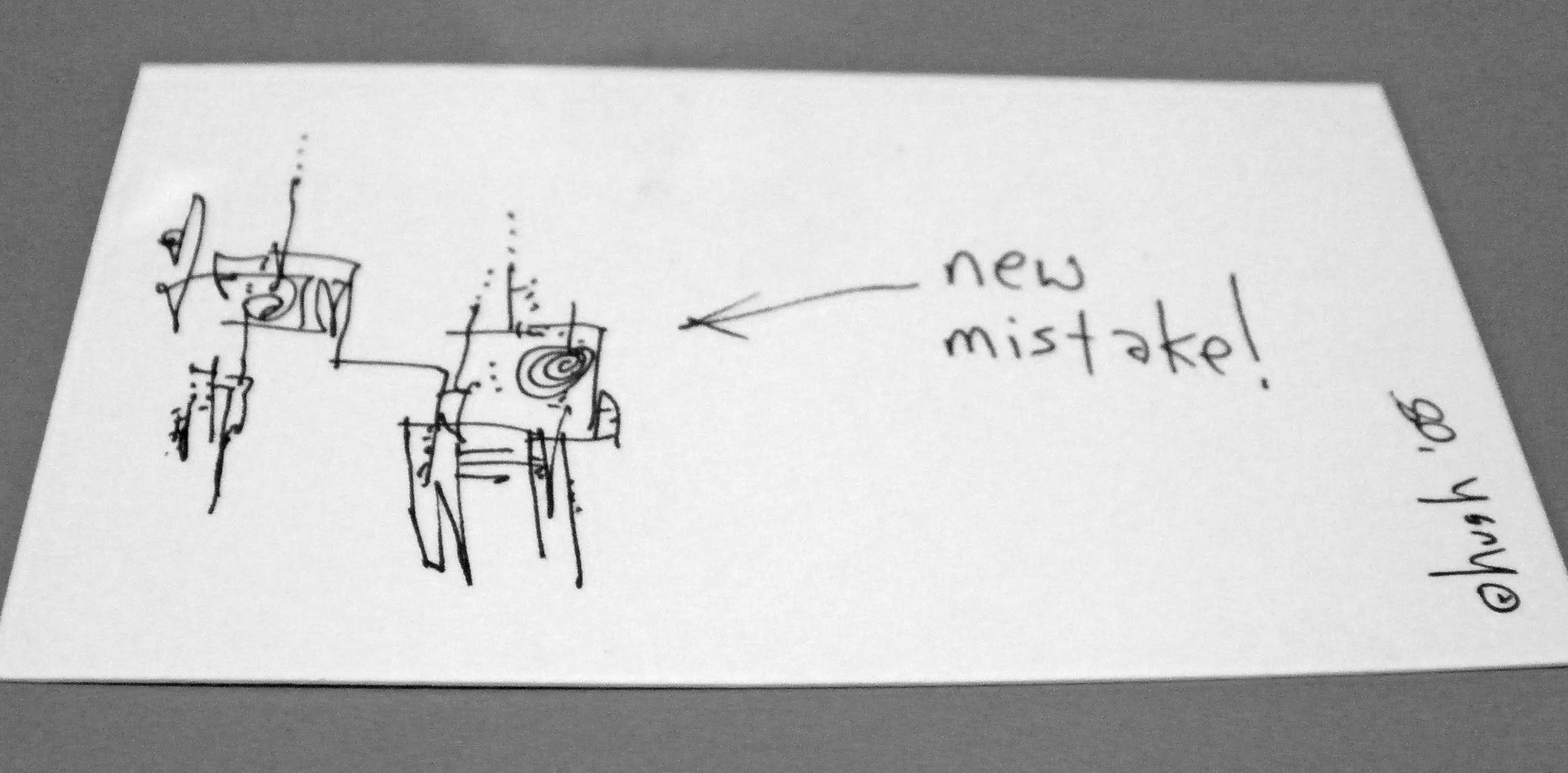
newmistake001.JPG
[The car­toon I gave to Ester Dyson back in 2008.]
“Ran­dom Acts of Trac­tion”.
This is a phrase I use a lot these days.
It seems to be the story of my life.
I put stuff out there– car­toons, prints, a book, a blog post, wha­te­ver. Some of it flies, some of it goes nowhere.
Eight years of pretty suc­cess­ful blog­ging later, and I STILL have no way of pre­dic­ting what will work, and what will fail.
Who knew the book would be a bes­tse­ller? Who knew the phrase, “Social Object” would enter the lexi­con of mains­tream mar­ke­ting, simply by me rab­bi­ting on about it ad nau­seam? Who knew “Wolf vs Sheep” would be my most popular-selling print? Who knew the Blue Mons­ter would spread like wild­fire through Mic­ro­soft? Who knew all these things would gain “Ran­dom Acts of Trac­tion”?
Not I, that’s for sure.
The great Doc Searls desc­ri­bed this phe­no­me­non much bet­ter than I ever could:

Tell ya what. I’m fifty-seven years old, and I’ve been pushing large rocks for short dis­tan­ces up a lot of hills, for a long time. Now, with blog­ging, I get to roll snow­balls down hills. Some don’t go very far. But some get pretty big once they start rolling.
See, each snow­ball grows as others link to the ori­gi­nal idea, and add their own thoughts and ideas. By the time the snow­ball gets big enough to have some impact, it really isn’t my idea any more.
Any­way, at this point in my life I’d rather roll snow­balls than push rocks.

I think anyone who makes their living even partly via blogs and social media will unders­tand the snow­ball metaphor, will unders­tand “Ran­dom Acts of Trac­tion”.
My friends, Den­nis How­lett and James Gover­nor, both tech­no­logy con­sul­tants, cer­tainly unders­tand this. As they can only rea­lis­ti­cally exe­cute on 10% of their ideas, they don’t seem to mind giving away the remai­ning 90% for free, via their blogs. If one of their free ideas gets “Ran­dom Acts of Trac­tion”, it’s great PR for their busi­nes­ses. It leads to con­ver­sa­tions even­tually. Con­ver­sa­tions that even­tually lead to paid gigs.
This only works, of course, if you can make your “snow­balls” quickly and inex­pen­si­vely enough. If you spend too much time worr­ying about it, you lose. If you try to con­trol where the snow­balls go after you’ve relea­sed them down the hill, you lose.
“Fail cheap. Fail fast. Fail often. Always make new mis­ta­kes.” -Esther Dyson. Words to live by. Exactly.
[Update: Just added this blog post to EVIL PLANS.]

[Backs­tory: About Hugh. Twit­ter. News­let­ter. Book. Inter­view One. Inter­view Two. Limi­ted Edi­tion Prints. Pri­vate Com­mis­sions. Cube Gre­na­des.]

Be Socia­ble, Share!

"Hugh's Daily Cartoon" Newsletter. A new cartoon sent out every weekday morning to your inbox [RSS version here.]. A wee chuckle to start your day off right etc.

Tags: , , , , , , , ,

9 Responses to “how blogging really works: random acts of traction”

  1. What a fan­tas­tic post. That quote from Doc in regards to blog­ging is abso­lu­tely correct. It’s ama­zing the ideas and con­cepts that reso­nate with peo­ple, and the one’s that don’t. It really can not be pre­dic­ted.
    There is nothing so libe­ra­ting as crea­ting. Crea­ting a blog, crea­ting art­work, etc. It doesn’t mat­ter. The beauty is in the pro­cess, in crea­ting snow­balls and seeing how big they get, what kind of impact they will have…and most of all, surren­de­ring to it all.
    Thanks for the insight­ful post!
    Cheers
    Dayne

  2. This is the new mar­ke­ting tenant old mar­ke­ting just doesn’t get. Time and again I hear ‘We’re not put­ting our case stu­dies up for free, someone else will use the idea’ I guess I wouldn’t mind so much if the ideas weren’t already there any way, its just we’re not get­ting the kudos for it.

  3. Doyle says:

    If plan A doesn’t work don’t give more plan A — go to plan B

  4. Jess Meats says:

    The point about not kno­wing what will take off is very true. If we could pre­dict which ideas would fly and which would flop, we’d all be millio­nai­res.
    Someone I know made a simi­lar point in a pre­sen­ta­tion once. He sho­wed a graph of the amount of effort he put into his pro­jects plot­ted agains the like­lihood of the pro­ject being a suc­cess. It was a hori­zon­tal line.

  5. This is so true and it’s libe­ra­ting once you make this rea­li­za­tion. Why worry about whether something will work? Just do your abso­lute best work and see what happens(very Taoist). No need to let your­self become paraly­zed or attached to the out­come because you will be busy wor­king on your next idea.
    Over din­ner last night I was also told the best line I’ve heard in a long time and it’s in kee­ping with your post:
    “I remem­ber when zip­pers were inven­ted. I never thought they would last.” Chet, ~86 years old.

  6. You may get a kick out of it (if you read com­ments, that is). “Social math object” is a regu­lar part of the Math 2.0 inte­rest group dis­cus­sion.
    Your blog is where I got “social objects” from in the first place. It just made a lot of sense as a part for a research or prac­tice fra­me­work. I use it all the time now.
    Here is the Math 2.0 wiki page about it: http://mathfuture.wikispaces.com/math+social+objects

  7. […] how blog­ging really works: ran­dom acts of trac­tion | gaping­void – Hugh Mac­Leod on how you can’t pre­dict what efforts will snow­ball and what ideas will fizzle and how it rela­tes to fail fast & often. […]

  8. […] Inno­va­tion is the pro­cess of idea mana­ge­ment. One of the cri­ti­cal steps to suc­cess­ful inno­va­tion is get­ting your idea to spread. Hugh MacLeod’s outs­tan­ding new book Evil Plans has a lot about how to get your ideas to spread more effec­ti­vely. One of his tenets is that we should create ran­dom acts of traction. […]

  9. […] pic­ture above is a mash-up of one of Hugh’s pie­ces on fai­lure from his post “Ran­dom Acts of Trac­tion” where he unders­co­res the vola­tile nature of pro­gress in crea­tive ven­tu­res. He conc­lu­des quoting […]