Archive for August, 2009

August 30, 2009

“marfa one”


[You­Tube video home­page here…]
[N.B. Yes, I’m plan­ning on selling this one even­tually. Please feel free to e-mail me if you’re inte­res­ted, Thanks!]
PHASE ONE OF THREE: THE UNDERCOAT. Sun­day, August 30th.
Zi6_0672A.jpg
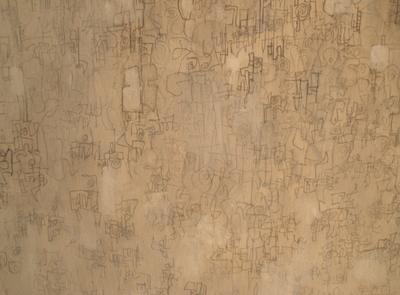
[“Marfa One”, which I star­ted this wee­kend.. Click on image to enlarge etc.]
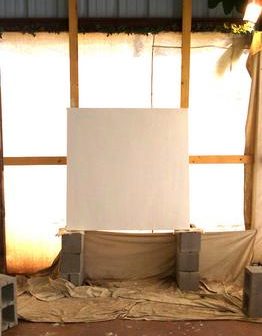
A blank can­vas (see above) that I finished doing the white acry­lic under­coat for, ear­lier today. Four-foot-by-four foot. Tit­led “Marfa One”, it’s will be the first of The Marfa Series.
Now to get crac­king on the pencil…

[UPDATE: Mon­day, 31st August, 24 hours later:]
PHASE TWO OF THREE: THE PENCIL.
pencil0909.jpg
[Click on ima­ges to enlarge etc.]
pencil0910.jpg
[Close-up. Pen­cil lines etc.]
pencil0911.jpg
[Close-up. Taken from the side etc.]
Yes­ter­day (Sun­day) I cran­ked out the pen­cil. Took fore­ver, but it was worth it. Besi­des some very small touch-ups at the end, I did it all in one ses­sion. No mes­sing around.
I got myself in a mind-set that, although it’s large and on can­vas, it didn’t inti­mi­date me. I just trea­ted that four-by-four-foot, two-dimensional sur­face like any other dra­wing, like any other page in my sketch­book. I didn’t treat it like “ART!!!!”. I just did my thing and got on with it; not a lot of fuss.
I think that’s how I’ll approach all my big pie­ces from now on…
PHASE THREE OF THREE: THE INK.
[Update: 24 hours later, Tues­day, Sep­tem­ber 1st, 2009.]
ink0909.jpg
[Click on image to enlarge etc.]
Made a good start yes­ter­day on the inking. Hope to finish it by tonight etc.
This is always the har­dest part of making a big dra­wing. The temp­ta­tion to “rush it” gets more and more overwhel­ming, the clo­ser you get to the finish line. But last-minute rushing can easily ruin it. Oh well, I’ve been here many times before, nothing I can’t handle etc.
[Update: 24 hours later, Wed­nes­day, Sep­tem­ber 2nd, 2009.]
MO1234.jpg
[Click on ima­ges to enlarge etc.]
MO1235.jpg
MO1236.jpg
Got up this mor­ning at 4am and put the finishing touches on Marfa One.
It’s done…

[Backs­tory: About Hugh. Twit­ter. News­let­ter. Book. Inter­view One. Inter­view Two. EVIL PLANS. Limi­ted Edi­tion Prints. Pri­vate Com­mis­sions. Cube Gre­na­des.]

“big cartoons”

dm0909.jpg
[Close-up of desert­manhat­tan, in its early “pen­cil” phase, Autumn, 2008.]
I was thin­king ear­lier today how I had made my repu­ta­tion dra­wing very, very small car­toons [i.e. “drawn on the back of busi­ness cards”], and now here I am, with The Marfa Series, going in the oppo­site direc­tion i.e. very, very big car­toons. Two sides of the same coin, perhaps…
Yes, I’m still calling them “Car­toons”, even if the rest of the world will want to call them something else– “Pain­tings” or wha­te­ver. No mat­ter where life takes me these days, I still con­si­der myself first and fore­most a car­too­nist. Like I said over at Late­ral Action, “I never liked calling myself an ‘Artist’. I think His­tory deci­des if you’re an artist or not, not your­self.“
With the tra­di­tio­nal cartoonist’s busi­ness model loo­king inc­rea­singly unte­na­ble (And it was in trou­ble LONG before the Inter­net came along , believe me), I think it’s a good time to ask the ques­tion, well, what is a car­toon, any­way?
Does the car­toon HAVE to be what it’s always been? Or can it evolve into something else more inte­res­ting? Does the car­toon have to be figu­ra­tive, or is abs­tract per­fectly valid, as well? Does the car­too­nist HAVE to have an edi­to­rial or humo­rous slant, or are there OTHER sphe­res of human exis­tence worth explo­ring?
It’s good to push the edges…

[Backs­tory: About Hugh. Twit­ter. News­let­ter. Book. Inter­view One. Inter­view Two. EVIL PLANS. Limi­ted Edi­tion Prints. Pri­vate Com­mis­sions. Cube Gre­na­des.]

ten questions for shel israel

twitvilee0909A.jpg
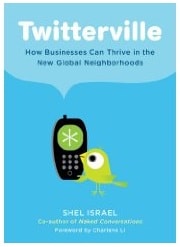
Shel Israel and I have known each other since 2005, when he inter­vie­wed me for his semi­nal book on blog­ging, “Naked Con­ver­sa­tions”, that he co-authored with Robert Sco­ble. Since then he’s been run­ning around, wri­ting books and con­sul­ting with large com­pa­nies on all things to do with social media. His second book, “Twit­ter­vi­lle: How Busi­nes­ses Can Thrive in the New Glo­bal Neigh­borhoods” is launching Sep­tem­ber 3rd. As he and I have the same publisher, they sent me an advance copy to read, which I was really impres­sed with. I asked him ten ques­tions, and he kindly agreed to ans­wer them below.
TEN QUESTIONS FOR SHEL ISRAEL
1. Con­grats on Twit­ter­vi­lle coming out. Please tell us all about it.
In many ways, Twit­ter­vi­lle is the de facto sequel to Naked Con­ver­sa­tions. The older book gave the argu­ment of why busi­nes­ses should blog. Twit­ter­vi­lle does the same thing, except it goes beyond busi­ness to inc­lude govern­ment, non­pro­fits and media.
Essen­tially, I tell the sto­ries of peo­ple who use Twit­ter in inte­res­ting and use­ful ways. The hope is peo­ple will read the book and get ideas for using Twit­ter to help them in wha­te­ver it is they wish to do.
2. This book was actually a long time coming. After Naked Con­ver­sa­tions, you had a wee bit of trou­ble get­ting your second book up and run­ning. A symp­tom, I believe, not so much of your talents as an author, but of the inhe­rent sub­ject mat­ter itself. A book takes about a good year and a half to write and pro­duce, often far lon­ger. Social Media chan­ges over­night on a regu­lar basis. Please ela­bo­rate.
There are two pie­ces of con­ven­tio­nal wis­dom for busi­ness books: A. Take one bone-dead sim­ple idea and repeat it with some varia­tions for 16 – 20 chap­ters such as The World is Flat. B. Write about a sub­ject that will not change while you are wri­ting it such as Tho­mas Edi­son and the mar­ke­ting of elec­tri­city.
Obviously, I’m bad at follo­wing con­ven­tio­nal wis­dom. I take a dif­fe­rent approach in that I like for something that is just taking off which can be endu­ring. I inter­view a ton of peo­ple and I look for sto­ries that may main­tain value for a few years even as they age.
Social media does change over­night, but peo­ple don’t and busi­ness rarely does. So I look for sto­ries that deal with enduing issues such as pro­fi­ta­bi­lity, the long slow death of tra­di­tio­nal mar­ke­ting ethics, access to infor­ma­tion, making govern­ment more accoun­ta­ble and so on.
3. You wrote in your book about South By South West 2007, which has now become legend in social media circ­les. It was there and then that Twit­ter launched their web­site to the public, and every­body went crazy for it. I remem­ber– I was there. The first thing that struck me about SXSW ’07 was that sud­denly, unlike a lot of the Web 2.0 con­fe­ren­ces I had been to before, the star of the show wasn’t some per­so­na­lity, web celeb, “A-Lister” etc… but an actual, non-living, non-breathing, digi­tal web­site. At the time, I felt like a real shift in Web 2.0 was taking place. From hie­rarchi­cal, personality-driven, to something else. You?
I think SXSW 07 is the clas­sic story of a star is born over­night, except in this case the star was a fla­wed little social media plat­form ori­gi­nally desig­ned to solve an inter­nal pro­blem.
I have always felt A-List focus was vastly over rated. When you look at lumi­nary num­bers and put them against the growth rate of Twit­ter every day, those who are pro­mi­nent reach a sma­ller per­cen­tage of the entire Twit­ter uni­verse every day. Each of them is in fact beco­ming influen­tial to a sma­ller – not lar­ger– share of the mains­tream.
Twit­ter is decen­tra­li­zing by its very nature. Of course there are dra­ma­tic sto­ries from Twit­ter­vi­lle– @JamesBuck arres­ted in Egypt; @jkrums taking a photo on the Hud­son. But just the drama and lumi­nary angle is much sma­ller than how Twit­ter ser­ves every­day peo­ple, who just have a few follo­wers, who just post a few times every day. Yet Twit­ter is chan­ging their lives and their busi­ness, all the time.
4. Like your­self, I can totally see the value of Twit­ter (Very cheap, very fast and very easy– even com­pa­red to blogs or Face­book etc). Yet, like blogs before it, mains­tream adap­ta­tion seems to be taking its own sweet time, yet again. As Ben Ham­mers­ley said about new media in gene­ral back at Reboot 2005, it’s not because the tech­no­logy is hard to use (it isn’t), or that it’s inte­llec­tually hard to get one’s head around (it isn’t), but that to use it pro­perly requi­res lear­ning A NEW SET OF MANNERS, a new set of social codes. And get­ting peo­ple to do that is really, really hard. As a Web 2.0 con­sul­tant with cor­po­rate clients , get­ting these folks to “learn some new man­ners” must be the har­dest part of your job, I’m gues­sing. Yes?
Ben has a point, but I would take issue with both of you on just how fast Twit­ter –and social media in gene­ral– is chan­ging the world. If you sit on the equa­tor, sip­ping a beve­rage with an umbre­lla in it, watching a coco­nut tree sway in a soft breeze, it feels motion­less; like nothing is hap­pe­ning.
But as you sit there, you are spin­ning around the world at something like 2400 mph. You are orbi­ting the Sun at a speed much fas­ter than that and you are hurt­ling through the uni­verse at a speed humans can­not yet cal­cu­late.
Yet, sit­ting on that porch it may feel like not much is hap­pe­ning.
Those of us who are pas­sio­nate about social media; who stand in front of rooms where some of the senior peo­ple have there arms cros­sed and there heads going from side to side, often vastly unde­rrate the speed of change.
To unders­tand that, I advise peo­ple to go speak to some young peo­ple. Watch their habits; watch how they get influen­ced on what to buy, watch, lis­ten to; where to work. Watch young peo­ple going to the work­place and how they use social media as com­mu­ni­ca­tions and infor­ma­tion and pro­duc­ti­vity tools.
I main­tain that we are at the very begin­ning of a fun­da­men­tal glo­bal social revo­lu­tion. And it is moving at a blin­dingly rapid speed.
5. Like Naked Con­ver­sa­tions before it, Twit­ter­vi­lle is rich in case stu­dies. You tal­ked to a LOT of peo­ple. As a fellow author, allow me to pick your brains. When an inte­res­ting story was brea­king in the “Twit­tersphere”, one that might have made an inte­res­ting case study at some point, did you make a note, put it on file and save it for later? Or did you just rely on memory (and Goo­gle) when it came time to write the book?
Orga­ni­zing for Twit­ter­vi­lle was like taking a speed tour through Dante’s Inferno. I am a poor orga­ni­zer to begin with. I crea­ted 17 Word docu­ments on topic and kept drop­ping links into it. I had post its on my wall and in my reporter’s note­books. Then something would break like Mum­bai and that wouldn’t fit into any of my pro­po­sed chap­ters, but how could I not cover it. While pon­de­ring that, Gaza – Israel broke, so then I had to rew­rite Tables of Con­tents.
The other thing that is a cha­llenge is that I try to be more of a story teller, and most busi­ness books are not writ­ten that way. In the end, I follo­wed the sto­ries and built chap­ters around them and then res­truc­tu­red– and res­truc­tu­red the flow of the book to res­pect the peo­ple whose sto­ries I told.
6. It’s the worst-kept sec­ret in publishing: Books RARELY make a lot of money for their authors. That being said, since my book came out in June, the num­ber of emails I get, asking about art com­mis­sions or other paid gigs has risen NOTICEABLY. I’m utterly swam­ped. As I’ve been saying fore­ver, “Blogs are a good way to make things hap­pen indi­rectly”. It turns out, the same is true with books. It’s all about “Leve­rage”. What’s been your expe­rience?
You and I have dis­cus­sed this before, but on the fame-fortune con­ti­nuum, we are both much stron­ger so far on the fame side. I made much more money last time by advi­sing com­pa­nies and through spea­king enga­ge­ments.
With less than a week to go before Twit­ter­vi­lle is avai­la­ble, I of course have dreams of being a #1 Best seller. It is far more likely that once again I’ll do bet­ter with spea­king and busi­ness advi­sing than from actual book sales.
When I first star­ted, someone advi­sed me that you write a book to get the spea­king enga­ge­ments. You use spea­king enga­ge­ments to set the stage for your next book. That’s what my stra­tegy will be.
7. Your back­ground is in Sili­con Valley PR. With Naked Con­ver­sa­tions, your focus morphed towards Social Media. What drove this per­so­nal evo­lu­tion, do you think?
I am very curious by nature. For a long time I was simply ama­zed at the dis­rup­tion and inno­va­tion that explo­ded from Sili­con Valley. Now, the tech­no­logy of the last 30 years has become part of every­day lives in the deve­lo­ped world.
My curio­sity is very much focu­sed on how this tech­no­logy is chan­ging the lives of the world’s peo­ple. If given the choice of follo­wing social media’s role in Iran’s elec­tion lar­ceny, or the beta glitches in the iPhone bat­tery, I’ll spend my time follo­wing Iran.
8. When Naked Con­ver­sa­tions came out, blog­ging was new. Web 2.0 was new. Now it’s mains­tream. I often get nos­tal­gic for those early days, when the blo­gosphere was tiny, every­body knew each other, and a brave new world see­med to lie just a few pixels beyond the hori­zon. Now I find myself caring much less about “the future of media” or wha­te­ver, and fin­ding I care a lot more about what I can do TODAY with social media, to help MY busi­ness. Has social media grown up? Has it become “like our parents”?
Every endu­ring tech­no­logy has been intro­du­ced with an asso­cia­ted mania. The inven­tors are bri­lliant, the early adop­ters are pas­sio­nate, and the media is exci­ted because it’s all so new.
This was true pro­bably of every inno­va­tion going back to the wheel. But then comes the lon­ger, slo­wer, stea­dier period of mass adop­tion, when peo­ple adopt these revo­lu­tio­nary con­cepts just to get their job done. There was a time when hea­ring a human voice on a telephone must have been mind-boggling. But, over time, the phone just became an every­day tool to let you use in your life and work.
Social Media, dra­ma­tic, explo­sive, dis­rup­tive period is now coming to an end, if you ask me. It is nor­ma­li­zing. It is chan­ging more of the world, but is doing it in less dra­ma­tic ways.
We are pro­bably star­ting to get to the stage of deve­lop­ment that inte­rests you and I the least. That’s where best prac­ti­ces get esta­blished, mea­su­re­ment sys­tems become relia­ble, bean coun­ters can esti­mate cost and value. Social media cham­pions are no lon­ger rebels rat­ting on the gates of large ins­ti­tu­tions. We have got­ten past the barriers. We will soon start taking our right­ful pla­ces on the org chart, with our own bud­get allo­ca­tions.
This is good for busi­ness and the world. It’s just a little boring for dis­rup­tors like you and me.
9. As a for­mer PR flack, you’ll obviously have more than your fair share of opi­nions about PR and how that world is chan­ging, fue­led on by social media. Anything you feel more strongly than most?
I think when I prac­ti­ced PR I thought about ten per­cent of my peers were true pro­fes­sio­nals who unders­tood that com­mu­ni­ca­tions is not buzz; that lis­te­ning is valua­ble; that cus­to­mers need to be res­pec­ted and that those who cover news need to not be on your side if they are to main­tain cre­di­bi­lity.
I think all of that is true today and the per­cen­tage as pretty much remai­ned cons­tant.
But those who prac­tice PR and are ski­lled at social media – peo­ple like Shel Holtz, Brian Solis, Steve Rubel, Kami Huyse, Richard Binham­mer, Scott Monty, Todd Defren [the list is long] have dis­co­ve­red that Con­ver­sa­tio­nal tools are far more valua­ble to com­mu­ni­ca­tions pro­fes­sio­nals than the aging and inef­fi­ciency broad­cast tools that I had to use when I was a PR prac­ti­tio­ner.
I think this is a great time to be a Com­mu­ni­ca­tions pro. You no lon­ger need to be the nicely dres­sed nobody sch­lep­ping press kits and whis­pe­ring into the ear of the offi­cial spo­kes­per­son. Now you can be the cre­di­ble spo­kes­per­son your­self.
All you have to do is watch clo­sely what the peo­ple I just named are doing, and learn from it. It sounds so easy, but I doubt more than 10 % of the com­mu­ni­ca­tions pro­fes­sion will end up doing that.
10. So now you’ve got a nice little side-career there as a book author. I’m gues­sing a lot of blog­gers rea­ding this wouldn’t mind having the same, one day. What advice would you give to a blog­ger who one day hopes to get into the book publishing game?
All of it to me cen­ters on the same issue: he abi­lity to find a story and tell it simply and cre­dibly. You do that with car­toons on the back of busi­ness cards, for exam­ple.
One other tip: wri­ting a book is hard work. If you price it out in dollars per hour, you might do bet­ter in the res­tau­rant ser­vice industry. I strongly advise you to love wri­ting before you start.
[Twit­ter­vi­lle comes out Sep­tem­ber 3rd, 2009.]
[The “Ten Ques­tions” archive is here.]

[Backs­tory: About Hugh. Twit­ter. News­let­ter. Book. Inter­view One. Inter­view Two. EVIL PLANS. Limi­ted Edi­tion Prints. Pri­vate Com­mis­sions. Cube Gre­na­des.]

August 27, 2009

the marfa series

square333A.jpg
[Click on image to enlarge etc.]
Gree­tings from Alpine, Texas. I left here two days ago, and flew to New York City from El Paso [a 220 mile drive to the air­port], in order to sign the the Ignore Every­body prints.
Yes, it was actually chea­per and easier to fly up there and sign them, than to ship them down here. Go figure.
After a few hours sig­ning them at the printer’s, I rushed off the Island of Manhat­tan yes­ter­day after­noon, to catch a flight back to El Paso via DFW.
I was in my bed at the hotel in El Paso by mid­night. Slept like a log. This mor­ning I went to buy some art sup­plies in down­town El Paso, had a bit of lunch at Rudy’s, then drove 220 miles back home to Alpine.
A quick visit, to say the least. “Wel­come To The Over-Extended Class” etc.
Among my purcha­ses this mor­ning was a big roll of can­vas. The plan is to make a series of large, 48“x48” [4 foot-by-4 foot] can­va­ses, i.e. exactly the same height, and one-half the width of desert­manhat­tan. The wee sketch above should give you an idea what I’m tal­king about.
I’m thin­king of calling these “The Marfa Series”, named after Marfa, the next town over from Alpine, 26 miles away. I drive there and back about three or four times a week; it’s one of my favo­rite dri­ves in the world. The drive ins­pi­red the idea for the the series in a SERIOUSLY big way.
Some will be cran­ked out in a cou­ple of days. Some will take a lot lon­ger, even a cou­ple of months. I have no idea where this is taking me, other than I think I’ll end up somewhere pretty inte­res­ting. Look for them for sale over on the gallery over the next few months or so, or feel free to e-mail me if you’re loo­king to com­mis­sion one. Thanks.
[Backs­tory: About Hugh. Twit­ter. News­let­ter. Book. Inter­view One. Inter­view Two. EVIL PLANS. Limi­ted Edi­tion Prints. Pri­vate Com­mis­sions. Cube Gre­na­des.]

framed dinosaur

25459659-37b019a9cd7c6e8df499d91689427a39.4a9320dc-scaled.jpg
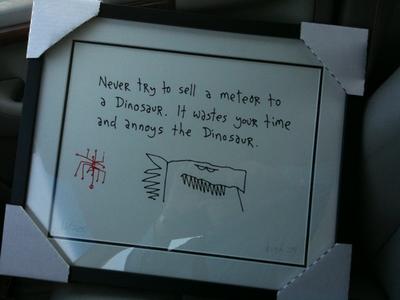
[I love this photo. Mike Orren’s cube gre­nade, just back from the framer’s. For sale here on the gallery page etc.]

[Backs­tory: About Hugh. Twit­ter. News­let­ter. Book. Inter­view One. Inter­view Two. EVIL PLANS. Limi­ted Edi­tion Prints. Pri­vate Com­mis­sions. Cube Gre­na­des.]

August 23, 2009

the social event of the year: the purple cow print party, NYNY, October 8th
PurpleCow0909.jpg
[The Pur­ple Cow Print. Click on image to enlarge etc.]

[UPDATE:]  CONFIRMED: The print party will be held at Ilili, 6pm-Late, on 8th Octo­ber, 2009.

Bet­ween 27th & 28th
236 5th Ave­nue, New York, NY 10001, USA
(212) 683‑2929‎
ililinyc.com

The res­tau­rant will be suppl­ying food, Stormhoek will be suppl­ying wine. Plus there will be a cash bar, if you’d rather have beer or liquor. It’ll be a fun eve­ning. Rock on.

For those of you still in the dark re. The Pur­ple Cow Print that I wor­ked on with Seth Godin, one of the grea­test mar­ke­ting thin­kers in the world, this is just a note to say I’ve set up an archive of all the blog posts about it here
Seth blogs about it here as well…
And of course, it’s for sale on the gaping­void gallery

The other bit of news is, Seth and I will be thro­wing an offi­cial launch party for the print in New York City on the eve­ning of Octo­ber 8th, 2009. A chance for friends of both gaping­void and Seth to hang out and meet n’ greet. A bit bela­ted, maybe, but we both had very busy sum­mers.
We’re thro­wing the party in a Leba­nese res­tau­rant in Chel­sea, I’ll also have some of my other works on dis­play– both prints AND ori­gi­nal dra­wings. And yes, they’ll be for sale. So it’ll be a bit like an art ope­ning, with perhaps more empha­sis than usual on the peo­ple atten­ding [not to men­tion, food and drink], than the actual art itself. Stormhoek, natu­rally, will be suppl­ying the wine.
Details to follow shortly. Watch this space etc.
Any­way, I hope if you’re in the area, you’ll be able to make it. Thanks.
[NOTE TO SELF: What a crazy adven­ture this has all been so far…]

[Backs­tory: About Hugh. Twit­ter. News­let­ter. Book. Inter­view One. Inter­view Two. EVIL PLANS. Limi­ted Edi­tion Prints. Pri­vate Com­mis­sions. Cube Gre­na­des.]

August 21, 2009

australian moleskine

2222fde.jpg
[“Adver­ti­sing Moles­kine”. 5“x7”. Fra­med. Click on image to enlarge etc.]
advertising%20moleskine%20001.jpg
[Unfra­med. Click on image to enlarge etc.]
Just ship­ped this off in the mail today– a com­mis­sio­ned, fra­med Moles­kine dra­wing.
Dave Whittle, an adver­ti­sing exe­cu­tive down in Aus­tra­lia, com­mis­sio­ned me to draw him a Moles­kine, based on an old car­toon print-out of mine, that he had han­ging on his office wall.
A Cube Gre­nade. Exactly.
I sold my first Moles­kine to a collec­tor in Paris. This one is going to some­body in the South Paci­fic. I love the way the Inter­net gives rela­ti­vely small ope­ra­tions like my own a glo­bal reach. Thanks, Dave!.
[gaping­void com­mis­sions…] [More Moles­ki­nes for sale on the gallery page here.]

August 19, 2009

portfolio number two update

222220909.jpg
[Note To Self:] Sales of Port­fo­lio Num­ber Two are going well. I am pleased…

[Backs­tory: About Hugh. Twit­ter. News­let­ter. Book. Inter­view One. Inter­view Two. EVIL PLANS. Limi­ted Edi­tion Prints. Pri­vate Com­mis­sions. Cube Gre­na­des.]

August 18, 2009

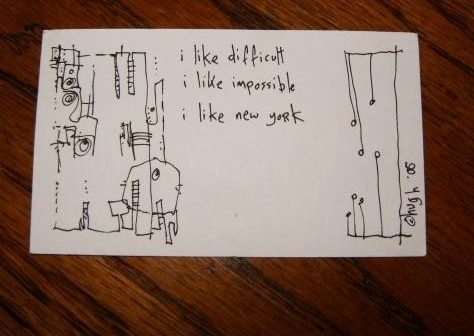
i like difficult

thekateyouknow0909.jpg
[When I was in New York last year, I drew the above car­toon for my lovely friend, Kate. She kindly just sent me the photo. Thanks, Kate! P.S. Yes, if you knew Kate per­so­nally, then you’d know how well this car­toon applies to her. Rock on.]

texas tweetups, stormhoek-style

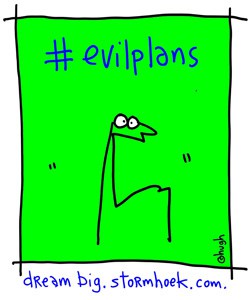
evilplansbadge001.jpg
[Click on image to enlarge/download etc. Feel free to use badge for your own needs etc.]
[Follow my #evil­plans on Twit­ter.…]
Three years ago, Stormhoek, the South Afri­can wine I’ve been asso­cia­ted with for the last four years, spon­so­red some geek din­ners. They were a huge suc­cess.
We’re ready to get back at it, as part of my EVIL PLANS etc.
This time, howe­ver, we’re going to spon­sor Twee­tups. If you’re one of the peo­ple follo­wing me on Twit­ter, are based in TEXAS and are plan­ning on having a Twee­tup in the next wee while, drop me an e-mail, and let’s see if we can’t get some wine sent there for the eve­ning.
Even bet­ter, if you have one near to where I’m hea­ding on my Evil Pans road trip, I’ll try to attend. Rock on.
LESS IS MORE: One of the points I’m trying to make with this exer­cise in futi­lity is that yes, you can do inte­res­ting stuff on a tiny, tiny scale and still make a big impact. So the sma­ller the event, the bet­ter. I’d rather attend a dozen twee­tups with five to ten peo­ple, than one twee­tup with a hun­dred peo­ple. I’d rather attend a twee­tup in somebody’s back yard, than a twee­tup in a fancy, big-city res­tau­rant.
Sure, a fancy, big event every now and then is fun, but that’s not the main point of this…

[For those of you outside the loop, a “Twee­tup” is a spon­ta­neous, self-organizing social gathe­ring of fellow Twit­ter users, usually orga­ni­zed on Twit­ter itself. Usually food and drink are part of the equa­tion etc.]

[Backs­tory: About Hugh. Twit­ter. News­let­ter. Book. Inter­view One. Inter­view Two. EVIL PLANS. Limi­ted Edi­tion Prints. Pri­vate Com­mis­sions. Cube Gre­na­des.]

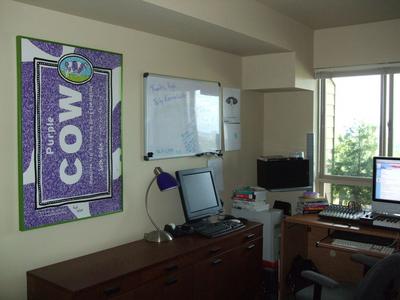
the big, purple cube grenade

PurpleCow0909.jpg
[Click on image to enlarge etc.]
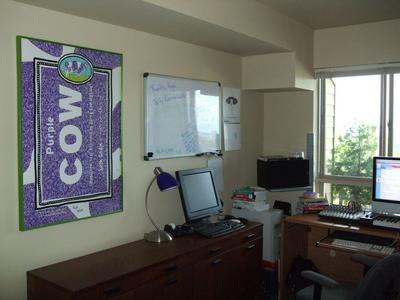
Mike Munro from Seattle, sent in this lovely photo of The Pur­ple Cow print, now han­ging proudly in his office. An over-sized “cube gre­nade”- Exactly.
I like the green frame… inte­res­ting choice.
24021983.jpg
[Another view… Click on image to enlarge etc.]
Thanks again to Seth Godin for colla­bo­ra­ting with me on this…[Backs­tory: About Hugh. Twit­ter. News­let­ter. Book. Inter­view One. Inter­view Two. EVIL PLANS. Limi­ted Edi­tion Prints. Pri­vate Com­mis­sions. Cube Gre­na­des.]

August 17, 2009

what does it all mean, alfie?

skyline0909.jpg
A miles­tone of sorts was reached, I sup­pose, at least for me…
Ear­lier today, my book became the NUMBER ONE Top Seller on Ama­zon in the “Crea­ti­vity” cate­gory.
I don’t expect it to stay up there fore­ver, of course– it’s pro­bably already fallen a few points since then [Ama­zon ran­kings are upda­ted hourly, and tend to fluc­tuate wildly]. But to see the pho­to­graphic evi­dence, I made a little screen shot here.
What does this mean? Not much, in all like­lihood. But I think I will go take the rest of the day off…
Thanks for all your sup­port over the years. Seriously.

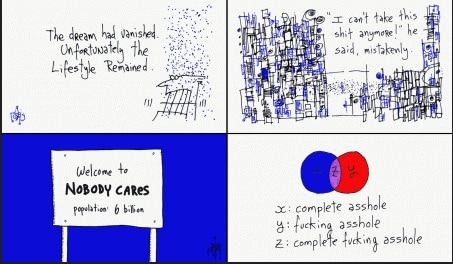
“ignore everybody” portfolio series number two: signed and numbered, 11“x14”, $300.00 pre-order, $50 deposit

mistakenly%20001A%20jpeg.jpg
[“Mis­ta­kenly”]
nobody%20cares%20001%20jpeg.jpg
[“Nobody Cares”]
vanished%20001%20jpeg1.jpg
[“Vanished”]
cfa%20001%20jpeg.jpg
[“CFA’}
[Click on ima­ges to enlarge etc.]

[UPDATE: These prints are now also for sale indi­vi­dually. Go check out gapingvoidgallery.com to see more.…]

After the very suc­cess­ful launch of Port­fo­lio Series Num­ber One, we’re happy to announce the launch of Port­fo­lio Series Num­ber Two.
After con­sul­ting with y’all recently about what designs to use, we narro­wed it down to the four designs you see above.
Same deal as last time: They mea­sure 11“x14”, and can be fra­med and hung, or kept in a port­fo­lio to view or use for mee­tings and then put away etc. They are all hand-pulled seri­graphs, and prin­ted on Rives-Arches paper. All four are taken from car­toons that appea­red in my book, IGNORE EVERYBODY.
You can pre-order them for $300 for the set of four, by just lea­ving a $50.00 depo­sit using the Pay­Pal but­ton below. We’ll send you an invoice for the remain­der when they’re prin­ted an ready to ship.


[$50.00 deposit/pre-order Pay­Pal but­ton etc.]

Port­fo­lio One used black and red. This time we used mainly a black and blue theme. This group of car­toons I selec­ted comes out of my New York days, when my tone was less about busi­ness– more per­so­nal– and more about being sar­do­nic and han­ging out in bars too much. Blue is the per­fect color for that…
They came out loo­king well. I’m exci­ted! Hope you like. Rock on.

August 16, 2009

hate you

hate%20you%20jpeg%20400.jpg
[Backs­tory: About Hugh. Twit­ter. News­let­ter. Book. Inter­view One. Inter­view Two. EVIL PLANS. Limi­ted Edi­tion Prints. Pri­vate Com­mis­sions. Cube Gre­na­des.]

August 15, 2009

“ignore everybody” video


I don’t know who these kids are, but they made an awe­some ani­ma­tion video based on my book, IGNORE EVERYBODY.
Wow. What an honor! Thanks!

August 13, 2009

ten thousand people: the antidote to ‘chasing gigs’

buggingA.jpg
1. Ten Thou­sand Hours.
Ten Thou­sand is a num­ber that has been in vogue among the online inte­lli­gen­cia lately, thanks to “Out­liers”, the bes­tse­lling book by The New Yor­ker wri­ter, Mal­colm Glad­well.
Glad­well didn’t invent the idea, but he popu­la­ri­zed “The Ten Thou­sand Hours Rule” [I believe it first came out of a study from Flo­rida State Uni­ver­sity yada yada…].
In short, evi­dence sug­gests that if you want to be really good at something, really suc­cess­ful at something, you need to put about ten thou­sand hours of work into it, before your efforts bear real fruit. This seems to be true whether we’re tal­king about com­pu­ters (He cites Bill Gates being one of the first high school kids EVER to have put in ten thou­sand hours of com­pu­ter time before going to college), or making art, fixing cars, laying tile, or get­ting a black belt in Karate.
Glad­well cer­tainly made a good case for it, and from my own per­so­nal expe­rience, ten thou­sand hours sounds about right. I actually came across the Ten Thou­sand Hour Rule before Gladwell’s book came out, via my buddy, Stowe Boyd, who wrote a great blog post about it [using me as a case study, *cough*] a few years ago. But I digress…
2. Ten Thou­sand Peo­ple.
Ten Thou­sand is a num­ber that has spe­cial mea­ning to me, as well:
The first few years of this cen­tury were tough ones for me. My career in adver­ti­sing pretty much tan­ked around the same time as the dot­com crash, and I found myself unem­plo­yed, broke, living in the boo­nies, scra­ping a mea­gre living wri­ting free­lance brochure copy. Then 9 – 11 came along and made it even worse. Not fun or nice.
Up until that point, I had spent my entire wor­king career “cha­sing gigs”. Whether we’re tal­king full-time sala­ried posi­tions, or three-day free­lance oppor­tu­ni­ties, I had spent well over a decade cha­sing that ever-elusive island of secu­rity in a swe­lling ocean of advertising-industry chaos. And these gigs would never last, they would always end even­tually, for wha­te­ver rea­son. Reces­sions, layoffs, down­si­zing, incom­pe­tence on my part, incom­pe­tence on the boss’ part, wha­te­ver. And usually the timing was bad, of course it was.
Chase, chase, chase…. And I was sick of it. Really, REALLY sick of it. Over a decade of wor­king my butt off, and those islands of secu­rity were no less elu­sive than before. And I wasn’t as young as I used to be. The hams­ter wheel was star­ting to do me in.
Then, in these dar­kest of days, I had a sud­den flash of life-changing insight. Like I told my fellow burnout-advertising drin­king buddy that eve­ning, as we com­mi­se­ra­ted at the bar about our sad lot in life:

“I don’t want to be cha­sing gigs any­more.”
“What do you want, then?” asked my buddy.
“I just want ten thou­sand peo­ple giving me money every year.”
“Where are you going to find these peo­ple?” he asked.
“The Inter­net,” I replied.
“What do you plan on doing there?”
“I think I’ll start by publishing my car­toons online… on a blog.”
“What’s a ‘blog’?”

The rest, as they say, is his­tory…
There was nothing magi­cal about the ten thou­sand num­ber. I just rec­ko­ned that, as a car­too­nist, if I was making t-shirts, books, wha­te­ver– and ten thou­sand peo­ple were buying pro­duct every year, with me making a few bucks pro­fit off each unit, well, it wouldn’t make me a billio­naire, but at least I’d be able to feed myself.
Also, ten thou­sand peo­ple sup­por­ting me see­med like a good way of sprea­ding my bets eco­no­mi­cally. If one per­son drops out, and all you lose is a t-shirt sale, with 9,999 other peo­ple still on board you can easily reco­ver. But in the world of cha­sing adver­ti­sing gigs, if the one per­son you lose hap­pens to be your jac­kass boss, you’re dead meat.
Then a wee while ago I came across the great “One Thou­sand True Fans” blog post. A simi­lar idea to my own, except his magic num­ber was one-tenth the size of mine. It doesn’t mat­ter. It all depends on what you’re selling. The famous English tai­lor, Tho­mas Mahon, has his magic num­ber set at one hun­dred, because that’s basi­cally how many hand­made suits he is phy­si­cally capa­ble of making in a twelve month period. Good thing his suits are very expen­sive– One hun­dred “True Fans” wouldn’t get him very far if all he was selling were ten-dollar tee shirts.
Wha­te­ver your own, per­so­nal magic num­ber may be, I hope you find it one day; I hope you find THOSE PEOPLE one day.
Beats cha­sing gigs for a living….
[Update: Just added this post to EVIL PLANS.]
[Backs­tory: About Hugh. Twit­ter. News­let­ter. Book. Inter­view One. Inter­view Two. EVIL PLANS. Limi­ted Edi­tion Prints. Pri­vate Com­mis­sions. Cube Gre­na­des.]

August 12, 2009

greyblue 0909

greyblue%200909.jpg
[Backs­tory: About Hugh. Twit­ter. News­let­ter. Book. Inter­view One. Inter­view Two. EVIL PLANS. Limi­ted Edi­tion Prints. Pri­vate Com­mis­sions. Cube Gre­na­des.]

shortlist: portfolio number two

TheShortTail112%20copy.jpg
[The Short Tail]
CompanyHierarchy112%20copy.jpg
[Com­pany Hie­rarchy]
11444661477-thumb%20copy.jpg
[Wel­come To…]
91387_I_dont_have_friends%20copy.jpg
[I Don’t Have Friends.]
91365_choose%20copy.jpg
[I Choose This Life.]
91343_mistakenly%20copy.jpg
[Mis­ta­kenly.]
91305_complete_asshole%20copy.jpg
[C.F.A.]
91303_lifestyle%20copy.jpg
[Vanished.]
Like I said on my last blog post, after the great suc­cess of the “Port­fo­lio Num­ber One” launch, we’ve deci­ded to do another one i.e. Port­fo­lio Num­ber Two.
port001
[“Port­fo­lio Num­ber One”.]
And like last time, all ima­ges cho­sen will be taken from my book, IGNORE EVERYBODY.
So here you go– a short­list of eight poten­tial “cube gre­na­des”. Four of these will be made into a limited-edition print.
Which ones get your vote? Please feel free to leave a com­ment below, Thanks!

[Visit my print gallery here.]
[Backs­tory: About Hugh. Twit­ter. News­let­ter. Book. Inter­view One. Inter­view Two. EVIL PLANS. Limi­ted Edi­tion Prints. Pri­vate Com­mis­sions. Cube Gre­na­des.]

August 10, 2009

coming soon: portfolio number two

cfa2.jpg
[One of the car­toons from the book etc.…]
After the great suc­cess of the “Port­fo­lio Num­ber One” launch, we’ve deci­ded to do another one i.e. Port­fo­lio Num­ber Two.
And like last time, all ima­ges cho­sen will be taken from my book, IGNORE EVERYBODY.
So if you’ve read the book already, I’d love to hear your feed­back. Which cartoon(s) from the book do you think would make good “cube gre­na­des”? Please feel free to leave a com­ment below, Thanks!

[Visit my print gallery here.]

[Backs­tory: About Hugh. Twit­ter. News­let­ter. Book. Inter­view One. Inter­view Two. EVIL PLANS. Limi­ted Edi­tion Prints. Pri­vate Com­mis­sions. Cube Gre­na­des.]

August 7, 2009

“cube grenades” start arriving

21995138.jpg
[@macfowler: “Totally hyped that my @gapingvoid prints arri­ved today” http://twitpic.com/d3fk2]

The Port­fo­lio Series Num­ber One
, a.k.a. the “Cube Gre­na­des”, which I announ­ced the same day that my book launched, have star­ted arri­ving at their new owners’ homes. Thanks, Mac, and Every­body Else who orde­red! Rock on.
cod090909
[Update: The Create or Die prints have star­ted arri­ving as well. Thanks Again!

[Backs­tory: About Hugh. Twit­ter. News­let­ter. Book. Inter­view One. Inter­view Two. EVIL PLANS. Limi­ted Edi­tion Prints. Pri­vate Com­mis­sions. Cube Gre­na­des.]

welcome to the overextended class

zzzzsteak28A.jpg
In my last blog post, an inter­view with Chris Ander­son, Editor-in-Chief of Wired Maga­zine, Chris had a bri­lliant thought:

“If ever these was a time to be ove­rex­ten­ded, this is it.”

I agree with him com­ple­tely. I know what it means to be over-extended all too well. Recently I made a list of all the pro­jects I’m currently wor­king on. The next book. The road trip. The prints. Blog­ging. Con­sul­ting. Dra­wing car­toons. The list goes on…
All in all, it came down to ten items. Ten. Each one inte­res­ting and poten­tially luc­ra­tive enough to be taken on as a full-time job. Ten.
Ouch. Even for me, that see­med like WAY too much.
The other day, a friend of mine was kvetching about having to hold down three jobs. “Three?” I quip­ped. “Try hol­ding down ten…“
My friend loo­ked at me funny. He was pro­bably right to do so.
Since about 1991, it’s been like that for me. From the moment I woke up till the moment I went to bed, I was wor­king on something. The day job or the car­toons or something else. Sure, I’d have girl­friends come and go, but the girl­friends never las­ted too long, and I also ended up inven­ting, in 1997, an art form that would allow me to carry on wor­king WHEN I was going out to the bars i.e. the “car­toons drawn on the back of busi­ness cards”.
I’ve not had a pro­per vaca­tion in ten years, either. Nor am I plan­ning one.
Call Chris and myself, and pro­bably over 50% of the peo­ple who read this blog, mem­bers of “The Ove­rex­ten­ded Class”.
You know who you are. And you know what? In terms of per­cen­tage of the popu­la­tion, there were less of us twenty years ago. And there’ll be more of us in two deca­des.
Our parents and grand­pa­rents spent their Cog­ni­tive Sur­plus watching tele­vi­sion. That’s a thing of the past… a his­to­ri­cal acci­dent of the old factory-worker age mee­ting the modern mass-media age. Of course it wouldn’t last fore­ver. We humans as a spe­cies were desig­ned to com­pete, not to sit around on our asses.
Wel­come to the Ove­rex­ten­ded Class, Peo­ple. You may opt out of it if you want, but over time it’s going to get har­der and har­der to make ends meet, let alone be suc­cess­ful, if you do.
Choi­ces.
[UPDATE: Just added this to “EVIL PLANS”.]

[Backs­tory: About Hugh. Twit­ter. News­let­ter. Book. Inter­view One. Inter­view Two. EVIL PLANS. Limi­ted Edi­tion Prints. Pri­vate Com­mis­sions. Cube Gre­na­des.]

August 6, 2009

ten qustions for chris anderson, editor-in-chief for wired magazine

TheShortTail112%20copy.jpg
Ten Ques­tions For Chris Ander­son
Chris Ander­son is the Editor-in-Chief of Wired Maga­zine, the great tech & cul­ture publi­ca­tion from Conde Nast. He first came to my atten­tion when he published the book, The Long Tail, which talks about Power Laws and the Inter­net, espe­cially mar­ke­ting and the pos­si­bi­li­ties that the Web opens up for every­body. His latest book, “Free”, talks about the new eco­no­mies of the Inter­net, where the default price of everything, as he reminds us, is “set at zero”. He kindly allo­wed me to inter­view him.
1. First off, let’s plug your latest book, “Free”. Tell us what it’s all about?
It’s about how tech­no­logy has tur­ned “free” from a mar­ke­ting trick to
a new eco­no­mic model. The digi­tal eco­nomy is full of para­do­xes,
inc­lu­ding the big one: it seems that prac­ti­cally everything online is
free and yet we’re told that there is no such thing as a free lunch.
Even more mys­tif­ying, jokes like “we lose money on every sale and make
it up on volume” actually desc­ribe the busi­ness models of such
mas­si­vely pro­fi­ta­ble com­pa­nies as Goo­gle.
The book explains the underl­ying cost eco­no­mics that allow so much to
be free online, and the busi­ness models built around that. It
con­trasts 20th Cen­tury Free (sim­ple cross-subsidies – you’re paying,
soo­ner or later) with 21st Cen­tury Free (wildly indi­rect
cross-subsidies – somebody’s paying, but it’s pro­bably not you). And it
focu­ses on “Free­mium” (free+premium), which I think is the first
really new busi­ness model of the web and the future of Free online.
2. I think a lot of peo­ple have see­med to miss the point of your book, espe­cially peo­ple in your busi­ness. To me, the point of your book is not about “Free VERSUS Paid”, but a con­corde bet­ween “Free AND Paid”. As a car­too­nist who swings bet­ween “Free” and “Paid” quite hap­pily, I don’t see a con­flict bet­ween the two. Like I said before,

Any pro­fes­sion is in cons­tant, ever-changing nego­tia­tion with “Free vs Paid”. When does your law­yer friend offer you free legal advice, and when does he start char­ging? Ditto with your heart-surgeon pal you play ten­nis on Tues­days with. Musi­cians give their music away for free on MyS­pace, but charge for the CDs, live gigs and the t-shirts. Petro­leum Industry con­sul­tants might give 5% of their stuff away for free, just to drum up some new busi­ness, but then charge top dollar 95% the rest of the time. In Inter­net circ­les, the 95 – 5% con­verse is often true. Ever­yone has their sweet spot. Car­too­nists are no different.

In other words, “Free” has always been with us, “Free” is nothing new. So why do you think it’s so hard for peo­ple to get their heads around it? Why all the con­tro­versy? What are they afraid of?

Well put. I think there are two clas­ses of peo­ple who are afraid or
skep­ti­cal of Free: those who grew up before the web (ie, olds like me)
and peo­ple whose indus­tries are threa­te­ned by the web (ie, media
peo­ple like me). Many in my gene­ra­tion or pro­fes­sion (mostly, I hope,
those who haven’t read the book) assume that Free is something of a
Ponzi scheme. Meanwhile, my kids are also appa­lled that I wrote a book
called FREE, but not because it’s wrong/scary, but because it’s so
frea­king obvious.
Need­less to say, they’re both wrong. Free is neither a mirage nor is
it self-evident. Ins­tead, it’s an essen­tial, but com­pli­ca­ted,
com­po­nent of a 21st cen­tury busi­ness model – not the only price, but
often the best one.
3. A lot of blog pun­dits out there spend a lot of time pon­ti­fi­ca­ting about “What is the future of media?” You, who pro­bably knows more than most about this, see­med to almost offend this jour­na­list from Ger­many when you ans­we­red, “I don’t know”. Reminds me of a jazz musi­cian from the 1950s (his name esca­pes me) who was asked by a jour­na­list, “Where do you think jazz is going?” To which the musi­cian replied, “If I knew where it was going, I’d already be there.” Seems to me that the more you talk about the “uncer­tainty” of it all, the more peo­ples start deman­ding “cer­tainty” from you. Odd, no?
The main pro­blem with pro­fes­sio­nal media is that we’ve lost our
quasi-monopoly on con­su­mer atten­tion. What’s worse, we’ve lost it to
an indis­tinct cloud of mostly non-media voi­ces, from blogs to Face­book
to Twit­ter to You­Tube. These ama­teurs, mostly pro­du­cing without any
inte­rest in a busi­ness model at all, are narrow where we are mass,
many where we are few and free where we are paid. They are not “media“
but they com­pete with media. That’s why strict adhe­rence to terms
doesn’t help – it’s fifth column vs fourth estate!
I think that this is a moment where the sac­red voca­bu­lary of
pro­fes­sio­nal media (“jour­na­lism”, “news”, etc), which we use as
incan­ta­tions to dif­fe­ren­tiate our­sel­ves from the unwashed horde, now
obs­cure the path for­ward more than illu­mi­nate it. Some of what we do
still has great value and perhaps always will: ori­gi­nal infor­ma­tion,
accu­racy, analy­sis, great wri­ting, edti­ting, etc. But it is arro­gant
to assume that only we can do that stuff, or that we know best what’s
“fit to print”.
I don’t know what the future of pro­fes­sio­nal media is, but I am sure
there is one and am exci­ted to par­ti­ci­pate in the many expe­ri­ments
that will reveal what it is (obviously there is no one model or a
sil­ver bullet solu­tion – ins­tead the future is going to messy and
mul­ti­va­riate, which is why it’s so scary for many). One thing that is
sure is that it’s not hoping change will stop or wishing to reverse
the tides of his­tory.
4. You’ve become one of the great advo­ca­tes of “Free”. Yet the peo­ple who sign your paychecks, well, they’re not in that busi­ness. They’re trying to sell maga­zi­nes and adver­ti­sing space. Simi­lar deal with the peo­ple who publish your books. Does this create a lot of ten­sion behind the sce­nes? Or do you try to edu­cate them? How do these two dif­fe­rent world­views work together?
Actually, they *are* in that busi­ness. Most com­pa­nies unders­tand that
Free is the best mar­ke­ting, which is why the maga­zine com­pany I work
for makes its web­si­tes free and my book publisher gives out thou­sands
of free books each year to influen­tials. Of course they’re in the Paid
busi­ness, too. But that’s the point of the book: it’s get­ting easier
and easier (thanks to near-zero mar­gi­nal cost of digi­tal
dis­tri­biu­tion) to use Free to pro­mote Paid. In the maga­zine world, we
charge some cus­to­mer groups nothing (web) or very little (print
subsc­ri­bers) and other cus­to­mer groups (adver­ti­sers) a lot.
Books are more con­ven­tio­nally pri­ced, but when Hype­rion agree to
publish a book called FREE by me, they knew what they were get­ting
into. It was a nego­tia­tion, to be sure, about how far we would go, but
using Free in one way or another was always part of the plan.
5. You’ve got your Edi­tor job, you’ve got your book deals, you’ve got your blog, you do a lot of spea­king gigs… As your name gets more and more known, are you having trou­ble kee­ping up with everything? What’s your coping mecha­nism? How do you find the balance?
Plus the five little kids, the two star­tup com­pa­nies on the side, etc.
Obviously, balance is a dis­tant goal. In the mean­time, I dele­gate,
work all the time, hardly sleep, totally ignore poli­tics, sports and
pop cul­ture, neglect my family too much and pro­bably don’t do any of
my jobs as well as I could. But these are exci­ting days, and if ever
these was a time to be ove­rex­ten­ded this is it.
6. Every­body knows you now as “Edi­tor In Chief of Wired”. That’s a pretty big deal. I’m curious how you got there. Did you start off in jour­na­lism, with a career path all plan­ned out, or was it a “ran­dom act of trac­tion”? Tell us about your back­ground.
Trai­ned as a phy­si­cist (Los Ala­mos, etc). As I was hea­ding to grad
school, rea­li­zed that I wasn’t a very good phy­si­cist and that the
high-energy expe­ri­ments that I was wor­king on were run­ning head­long
into a finan­cial cri­sis (cost of acce­le­ra­tors rises with the square of
the energy of the acce­le­ra­tor – many $ billions). Bai­led and went to
the science jour­nals ins­tead (Nature, Science). Then rec­rui­ted to
start Inter­net cove­rage at The Eco­no­mist in 1993 (remem­ber the Web
star­ted in a phy­sics faci­lity, CERN, so I was an early user). Three
years in Lon­don cove­ring tech for the Econ, then three years in China
cove­ring Asia, then to NYC as US Busi­ness Edi­tor. Then rec­rui­ted in
2001 (dar­kest days of the post dot.com crash) by Conde Nast to run
Wired.
So from phy­sics geek to the Devil Wore Prada. “Ran­dom acts of trac­tion” indeed.
7. Wired makes the lion’s share of its money via adver­ti­sing, of course. The more I think about advertising-funded media, the less I think it’s just about offe­ring “space” and “eye­balls”. At some level, the magazine’s job is to pro­vide a con­text, a situa­tion, an arena, that makes brands appear more “inte­res­ting”, than if they went somewhere else. The goods news is, this is a great oppor­tu­nity for maga­zi­nes. The bad news is, it’s really, really hard. What’s Wired’s atti­tude on this? Are you trying to push out the limits of adver­ti­sing, with the same verve you try to push out the limits of tech and cul­ture?
We should, and if we are to thrive, we must. We inven­ted the ban­ner ad
in 1995 (sorry!) and I hope we’ll help invent some of the ad units
that work best in the next era, too. Much of the inno­va­tion will be
online, but not all of it. And once devi­ces emerge that allow a
magazine-like expe­rience with digi­tal deli­very (Apple tablet?), the
dis­tinc­tions bet­ween the two will blur.
8. As anyone who reads your stuff will know, human civi­li­za­tion in the middle of great chan­ges, with media at the van­guard. And when great change hap­pens, some things get har­der, some things get easier. What’s get­ting easier about your job? Har­der?
Easier: expe­ri­men­ting. Har­der: pre­dic­ting.
9. We all know what Wired is, and it’s great. But what do you want Wired to be, that it isn’t already? Just curious.
We’re known for being inno­va­tive in maga­zine making. I’d like to be
equally know for inno­va­tions in busi­ness models.
10. A lot of bright kids out there, just lea­ving school, would love to have your job one day. Hell, a lot of them would love to just have a job on your team. What advice would you give them, in order to make that hap­pen?
Don’t wait to be given a job to do something cool. Follow your
pas­sions, create something every day, take chan­ces and try to be the
best in the world at something, no mat­ter how tiny and tri­vial.
Nothing impres­ses me more than ini­tia­tive. And there has never been a
bet­ter time to take it.
On a more pro­saic note, I think that lea­ding peo­ple is perhaps the
most impor­tant skill these days. My busi­ness card says “Edi­tor in
Chief”. I sus­pect that if any of my chil­dren follow in my foots­teps,
their card will say “Com­mu­nity Mana­ger”. Hel­ping (and ins­pi­ring) other
peo­ple to do cool stuff is what an edi­tor does, and when you take it
out of a purely pro­fes­sio­nal media con­text that looks more and more
like effec­tive com­mu­nity mana­ge­ment. It’s a great skill and I admire
those who do it well.

[Backs­tory: About Hugh. Twit­ter. News­let­ter. Book. Inter­view One. Inter­view Two. Limi­ted Edi­tion Prints. Pri­vate Com­mis­sions. Cube Gre­na­des.]

August 5, 2009

update: still on– the “ignore everybody” prints, pre-order at $275.00, with a $50.00 deposit.

ignore%20everybody%200905jpeg.jpg
[Click on image to enlarge etc.]
A cou­ple of peo­ple emai­led us, saying they were having trou­ble their Pay­Pals, and nee­ded some extra time to sort it out.
Besi­des that, as the ori­gi­nal Mon­day night dead­line came an went, peo­ple were still tric­kling in. It see­med a bit mean just to cut them off arbi­tra­rily.
So with that in mind, we’re kee­ping the the IGNORE EVERYBODY print offer open for a while yet. We’ll see what hap­pens.
Thanks to EVERYBODY for THE MOST SUCCESSFUL pre-order we’ve ever done! Seriously. Rock on.

[Backs­tory: About Hugh. Twit­ter. News­let­ter. Book. Inter­view One. Inter­view Two. Limi­ted Edi­tion Prints. Pri­vate Com­mis­sions. Cube Gre­na­des.]

stormhoek bottles

bottle002.jpg
[A print idea for #evil­plans. Click on image to enlarge etc.]

EUREKA! I had my EVIL PLANS road trip idea, but it was lac­king the social object it nee­ded to really work.
Sure, dri­ving around Texas with a video camera and an idea about “Dream Big” was all very well, but it nee­ded something to work as a totem for the Stormhoek wine.
IDEA: Hand-painted wine bott­les.
I’ve drawn on Stormhoek wine bott­les before, using pain­ting sticks. They loo­ked kinda cool. While I tra­vel around Texas, I’ll be making them to hand out to peo­ple who went to all the trou­ble to sup­port this enter­prise. See image above to get a rough idea what it might look like…
This is exci­ting. The road trip idea is sud­denly A LOT More inte­res­ting, all of a sud­den. Rock on.

[Update: Just added this blog post to EVIL PLANS.]

August 3, 2009

red & black 0907

randblack0908.jpg

[Backs­tory: About Hugh. Twit­ter. News­let­ter. Book. Inter­view One. Inter­view Two. Limi­ted Edi­tion Prints. Pri­vate Com­mis­sions. Cube Gre­na­des.]

August 2, 2009

boing boing and baked-in sociality etc.

everybodysick%20of%20A.jpg
Boing Boing is one of my favo­rite blogs. It’s also one of the most widely-read blogs in the world, and deser­vedly so.
So why is it so popu­lar? The most obvious ans­wer, “Great Con­tent” is a no-brainer. Of course it has great con­tent. Peo­ple wouldn’t read it if it didn’t.
But “Great Con­tent” is only half the story. The other half is just as impor­tant, though a little more subtle. And what is that?
Short Ans­wer: “Socia­lity”.
It’s not just that Boing Boing’s con­tent is fun to READ. It is. It’s also that Boing Boing’s con­tent is fun to SHARE.
“Wow. What a cool article. I think I’ll email it along to my friends at work. Bet­ter yet, I think I’ll men­tion it to my hun­dreds of Twit­ter follo­wers. Hell, I’ll even blog about it…“
Boing Boing has a lot of “Socia­lity” baked-in, i.e. its con­tent makes for great “Social Objects” i.e. their blog posts are great “Sha­ring Devi­ces”.
We are pri­ma­tes. We are social crea­tu­res. We like to socia­lize. And we socia­lize around objects. Boing Boing cranks out “social objects” by the ton, that we can effort­lessly pass along to our friends.
And that’s where the true value of Boing Boing lies. Will sen­ding your friend, Bob a link to this cool post about Detroit pho­to­graphers per­ma­nently change his life for the bet­ter? Pro­bably not.
But giving you something that allows you and Bob to socia­lize with each other [“Cool post, Dude!!!”] digs deep into what really mat­ters to us pri­ma­tes: Socia­li­zing i.e. Sha­ring our­sel­ves with our fellow spe­cies.
And what’s true for blogs like Boing Boing is true for any other pro­duct. It’s not what the pro­duct does that mat­ters to us so much, it’s how we socia­lize around it that mat­ters. This is why the iPhone is so suc­cess­ful. Sure, we like having all those cool apps, but being able to talk about and recom­mend cool apps to our friends [“Cool app as social object”, Exactly!], that’s what we are gene­ti­cally hard­wi­red to like even more.
Read Mark Earls if you don’t believe me…
[N.B. I didn’t coin the term “Social Object”; it was an idea I was tur­ned onto by the bri­lliant Jyri Engs­trom. Here’s a great video of Jyri spea­king about social objects in 2008.]

[Backs­tory: About Hugh. Twit­ter. News­let­ter. Book. Inter­view One. Inter­view Two. Limi­ted Edi­tion Prints. Pri­vate Com­mis­sions. Cube Gre­na­des.]

how blogging really works: random acts of traction

newmistake001.JPG
[The car­toon I gave to Ester Dyson back in 2008.]
“Ran­dom Acts of Trac­tion”.
This is a phrase I use a lot these days.
It seems to be the story of my life.
I put stuff out there– car­toons, prints, a book, a blog post, wha­te­ver. Some of it flies, some of it goes nowhere.
Eight years of pretty suc­cess­ful blog­ging later, and I STILL have no way of pre­dic­ting what will work, and what will fail.
Who knew the book would be a bes­tse­ller? Who knew the phrase, “Social Object” would enter the lexi­con of mains­tream mar­ke­ting, simply by me rab­bi­ting on about it ad nau­seam? Who knew “Wolf vs Sheep” would be my most popular-selling print? Who knew the Blue Mons­ter would spread like wild­fire through Mic­ro­soft? Who knew all these things would gain “Ran­dom Acts of Trac­tion”?
Not I, that’s for sure.
The great Doc Searls desc­ri­bed this phe­no­me­non much bet­ter than I ever could:

Tell ya what. I’m fifty-seven years old, and I’ve been pushing large rocks for short dis­tan­ces up a lot of hills, for a long time. Now, with blog­ging, I get to roll snow­balls down hills. Some don’t go very far. But some get pretty big once they start rolling.
See, each snow­ball grows as others link to the ori­gi­nal idea, and add their own thoughts and ideas. By the time the snow­ball gets big enough to have some impact, it really isn’t my idea any more.
Any­way, at this point in my life I’d rather roll snow­balls than push rocks.

I think anyone who makes their living even partly via blogs and social media will unders­tand the snow­ball metaphor, will unders­tand “Ran­dom Acts of Trac­tion”.
My friends, Den­nis How­lett and James Gover­nor, both tech­no­logy con­sul­tants, cer­tainly unders­tand this. As they can only rea­lis­ti­cally exe­cute on 10% of their ideas, they don’t seem to mind giving away the remai­ning 90% for free, via their blogs. If one of their free ideas gets “Ran­dom Acts of Trac­tion”, it’s great PR for their busi­nes­ses. It leads to con­ver­sa­tions even­tually. Con­ver­sa­tions that even­tually lead to paid gigs.
This only works, of course, if you can make your “snow­balls” quickly and inex­pen­si­vely enough. If you spend too much time worr­ying about it, you lose. If you try to con­trol where the snow­balls go after you’ve relea­sed them down the hill, you lose.
“Fail cheap. Fail fast. Fail often. Always make new mis­ta­kes.” -Esther Dyson. Words to live by. Exactly.
[Update: Just added this blog post to EVIL PLANS.]

[Backs­tory: About Hugh. Twit­ter. News­let­ter. Book. Inter­view One. Inter­view Two. Limi­ted Edi­tion Prints. Pri­vate Com­mis­sions. Cube Gre­na­des.]